Are Gorillas Dangerous? Gorilla Trekking Safety Guide in Uganda

Are Gorillas Dangerous?
Understanding Gorilla Behavior in the Wild
Mountain gorillas are among the most fascinating wildlife species in Africa. Thousands of travelers visit Uganda every year to experience gorilla trekking in the dense rainforests of Bwindi Impenetrable National Park and Mgahinga Gorilla National Park. One of the most common questions travelers ask before booking a safari is, “Are gorillas dangerous?” The simple answer is that gorillas are generally gentle animals, but they are still wild creatures that must be respected at all times.
Gorillas share almost 98% of their DNA with humans, which explains many of their social behaviors and emotional expressions. They live in family groups led by a dominant silverback whose main responsibility is protecting the family. In most situations, gorillas avoid conflict and prefer peaceful interactions. They spend much of their day feeding, resting, grooming one another, and caring for their young.

When travelers encounter gorillas during trekking expeditions, the animals are usually calm because they are habituated to human presence. Gorilla habituation is a long conservation process where gorillas gradually become comfortable around researchers and tourists. This process can take several years and is carefully supervised by wildlife experts and park rangers.
Despite their calm nature, gorillas are powerful primates with immense physical strength. A silverback can weigh over 180 kilograms and can defend his family aggressively if he feels threatened. This is why travelers are required to follow strict trekking guidelines during every safari. Visitors must maintain a safe distance, avoid sudden movements, and remain quiet while observing the gorillas.
The idea that gorillas are naturally aggressive often comes from movies or misinformation. In reality, gorilla attacks on tourists are extremely rare. Most gorilla charges are mock displays intended to warn intruders rather than cause harm. Rangers accompanying trekking groups are highly trained in gorilla behavior and know how to handle such situations calmly.

Uganda remains one of the safest destinations for gorilla trekking in Africa. Through experienced guides and conservation programs, Chosen Expeditions ensures visitors enjoy secure and unforgettable wildlife encounters. Travelers are briefed before entering the forest and accompanied throughout the trek by armed ranger guides from the Uganda Wildlife Authority.
Another important factor that reduces danger is the strict limit on tourist interactions. Only eight visitors are allowed to visit a gorilla family per day, minimizing stress on the animals. Trekkers also spend only one hour with the gorillas after locating them. These conservation rules protect both the gorillas and travelers.
Gorillas communicate through body language, vocal sounds, and facial expressions. A silverback may beat his chest, grunt, or make loud vocalizations to show authority or warn against danger. Understanding these signals helps guides interpret gorilla moods and keep tourists safe during encounters.
Travelers often discover that gorillas display surprisingly human-like emotions. Mothers care tenderly for infants, juveniles play together in the forest, and silverbacks protect their families with patience and leadership. Witnessing these interactions changes many people’s perceptions about gorillas being dangerous animals.
For travelers planning a safari with Chosen Expeditions, understanding gorilla behavior is essential for enjoying a safe trekking experience. Responsible tourism not only keeps visitors safe but also contributes to the long-term survival of endangered mountain gorillas.
Are Gorillas Dangerous During Trekking?
Gorilla trekking is considered one of Africa’s safest wildlife activities when conducted responsibly. Visitors who follow ranger instructions rarely experience dangerous situations in the forest. The gorillas visited during trekking safaris are habituated groups that are accustomed to seeing humans daily.
Before every trek, travelers attend a briefing session conducted by park rangers. During this briefing, guides explain the dos and don’ts of gorilla encounters. These safety rules are designed to minimize stress on the gorillas while protecting visitors from accidental confrontation.
One of the most important rules is maintaining a distance of at least seven meters from the gorillas. Although gorillas may occasionally move closer out of curiosity, tourists should never attempt to touch them. Physical contact can spread diseases to gorillas because they are genetically similar to humans.
Trekkers are also advised to avoid direct eye contact with a silverback. In gorilla behavior, prolonged staring can sometimes be interpreted as a challenge. Rangers teach visitors how to remain calm if a gorilla approaches unexpectedly. Crouching slowly, avoiding sudden movements, and staying quiet are usually enough to diffuse tension.
Many travelers fear silverbacks because of their enormous size and intimidating displays. However, chest beating and loud vocalizations are often warning signals rather than signs of an imminent attack. Silverbacks use these displays to establish dominance and protect their families from perceived threats.
In rare cases, gorillas may charge toward humans. Most of these charges are mock charges intended to scare intruders away. Experienced guides understand how to respond without escalating the situation. Tourists are instructed to remain calm and follow ranger directions carefully.
Weather conditions and terrain can sometimes pose greater challenges than the gorillas themselves. Gorilla trekking involves hiking through thick forests, muddy trails, steep slopes, and dense vegetation. Travelers should prepare physically for long walks and carry proper hiking gear.
Chosen Expeditions organizes guided safaris that prioritize visitor safety and comfort. Professional guides help travelers select the best trekking sectors based on fitness levels and travel preferences. Popular trekking regions include Buhoma, Rushaga, Ruhija, and Nkuringo in Bwindi Impenetrable National Park.
The conservation success of mountain gorillas in Uganda is closely linked to tourism revenue. Permit fees support ranger patrols, community development, veterinary care, and anti-poaching initiatives. Responsible trekking therefore contributes directly to gorilla conservation.
Travelers should also understand health precautions before trekking. Visitors with contagious illnesses such as flu or cough are not allowed near gorillas because diseases can spread easily between humans and primates. Rangers monitor visitor health carefully before allowing entry into the forest.
Photography during gorilla trekking is allowed, but flash photography is prohibited because sudden flashes can disturb gorillas. Travelers are encouraged to use silent camera settings and remain respectful while taking pictures.
A safari with Chosen Expeditions Gorilla Safaris offers visitors an opportunity to observe gorillas responsibly while supporting local conservation efforts. With experienced guides and strict safety measures, gorilla trekking remains one of the safest and most rewarding wildlife experiences in Africa.
Why Gorillas Become Aggressive
Although gorillas are peaceful animals, certain situations can trigger defensive or aggressive behavior. Understanding these triggers helps travelers avoid risky interactions and appreciate the importance of respecting wildlife boundaries.
The most common reason gorillas become aggressive is feeling threatened. Silverbacks are highly protective of their family groups and react strongly to anything they perceive as danger. Loud noises, sudden movements, or invading personal space can provoke defensive responses.
Male silverbacks use intimidation displays to warn potential threats. These displays may include chest beating, charging, breaking vegetation, roaring, or standing upright. Such behaviors are often designed to scare intruders away without physical contact.
Another cause of aggression is competition between gorilla groups. In the wild, rival silverbacks may fight over territory, females, or dominance. These confrontations can become violent, though they usually occur away from tourist groups.
Human behavior also plays a major role in gorilla reactions. Tourists who ignore ranger instructions increase the risk of negative encounters. Approaching gorillas too closely, attempting selfies, touching infants, or making loud sounds can stress the animals.
Habituated gorillas are used to respectful human presence, but they are not domesticated animals. Visitors must remember that gorillas remain wild primates with unpredictable instincts. Even calm gorillas can react suddenly if startled or uncomfortable.

Disease transmission is another concern. Gorillas are vulnerable to human illnesses such as flu, measles, and respiratory infections. Sick visitors may unintentionally endanger entire gorilla families. Strict health regulations are therefore enforced during trekking safaris.
Poaching and habitat destruction have historically increased stress among gorilla populations. Conservation organizations such as the International Gorilla Conservation Programme work with governments and communities to protect gorilla habitats across East Africa.
Deforestation and human encroachment continue to threaten gorilla habitats. As forests shrink, gorillas sometimes come into closer contact with nearby communities. Conservation education and sustainable tourism help reduce human-wildlife conflict.
One remarkable fact about mountain gorillas is their intelligence and emotional sensitivity. Researchers have observed gorillas grieving lost family members, nurturing injured infants, and displaying empathy within their social groups. These emotional traits make respectful interactions especially important.
Children and infants within gorilla families are often playful and curious around humans. However, tourists should never attempt to interact directly with young gorillas because protective silverbacks may interpret this as a threat.
Travelers visiting Uganda with Chosen Expeditions receive expert guidance on responsible wildlife viewing. Educating travelers about gorilla behavior reduces fear while promoting ethical tourism practices.
Understanding why gorillas become aggressive ultimately highlights the importance of conservation, patience, and respect. When visitors follow guidelines properly, gorilla trekking becomes a peaceful and life-changing encounter rather than a dangerous experience.
Gorilla Trekking Safety Tips and Conservation Importance
Preparing properly for gorilla trekking significantly improves both safety and enjoyment during the safari. Travelers should begin by choosing a reputable tour operator experienced in organizing gorilla expeditions in Uganda and Rwanda.
Packing appropriate gear is essential for trekking through tropical rainforests. Waterproof hiking boots, long-sleeved clothing, gloves, rain jackets, and walking sticks help travelers navigate difficult terrain comfortably. Insect repellent and reusable water bottles are also highly recommended.
Fitness preparation is equally important. Gorilla trekking can last from one to eight hours depending on the location of the gorilla family. Travelers should expect muddy trails, steep hills, and humid weather conditions
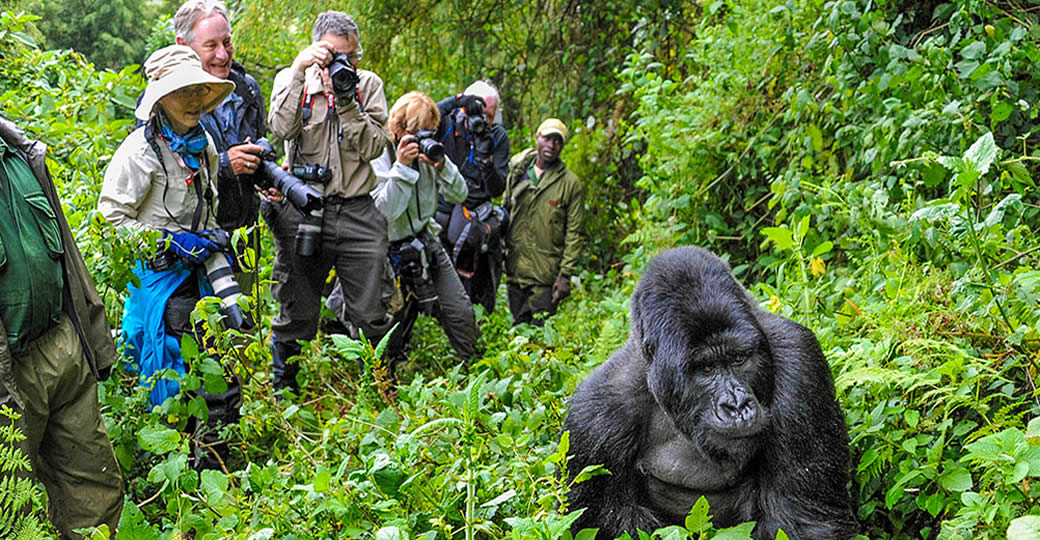
Listening carefully during ranger briefings is one of the most important safety practices. Rangers understand gorilla behavior and know how to respond in different situations. Following their instructions ensures safe and respectful wildlife encounters.
Travelers should speak quietly throughout the trek and avoid sudden gestures. Calm behavior reduces stress among gorilla groups and creates a more peaceful observation experience. If a gorilla approaches closely, remaining still and avoiding eye contact is usually the safest response.
Children under fifteen years are not permitted to participate in gorilla trekking. This age restriction helps reduce disease risks and ensures trekkers can follow safety instructions properly during encounters.
Photography enthusiasts should carry cameras with zoom lenses rather than attempting to move closer for pictures. Respecting gorilla space allows travelers to capture authentic wildlife moments safely.

Conservation remains a central part of gorilla tourism in Uganda. Revenue generated from gorilla permits supports anti-poaching patrols, ranger salaries, veterinary care, and local community projects. Tourism has played a major role in increasing mountain gorilla populations over the past decades.
Communities living near gorilla habitats benefit economically from tourism through employment opportunities, handicraft sales, cultural experiences, and lodge operations. These benefits encourage local support for wildlife conservation.
Organizations such as the World Wildlife Fund Gorilla Conservation Program continue to support habitat protection and conservation awareness across Africa.
Uganda offers some of the world’s best gorilla trekking experiences because of its biodiversity, experienced ranger teams, and well-managed national parks. Bwindi Impenetrable National Park alone hosts nearly half of the world’s remaining mountain gorillas.
Many travelers combine gorilla trekking with wildlife safaris in Queen Elizabeth National Park, chimpanzee tracking in Kibale Forest, or cultural experiences around Lake Bunyonyi. These combined safaris provide a complete East African adventure.
At Chosen Expeditions, travelers receive personalized safari planning, experienced guides, comfortable accommodation options, and reliable transportation throughout their journey. The company focuses on responsible tourism that protects wildlife while creating unforgettable safari experiences.
For most travelers, the biggest surprise after gorilla trekking is discovering how peaceful and human-like gorillas truly are. Observing a gorilla family quietly feeding in the misty forest creates emotional memories that last a lifetime.
Gorillas are not naturally dangerous animals when treated respectfully. By following safety guidelines and supporting conservation efforts, travelers can safely experience one of Africa’s most extraordinary wildlife encounters.
Conclusion
So, are gorillas dangerous? The truth is that mountain gorillas are generally calm, intelligent, and peaceful animals. While they possess incredible strength and can become defensive when threatened, attacks on tourists are extremely rare. Most negative encounters occur only when humans ignore safety guidelines or disturb the gorillas.
Gorilla trekking in Uganda remains one of the safest and most rewarding wildlife experiences in Africa. With professional ranger guides, strict conservation rules, and responsible tourism practices, travelers can safely observe gorillas in their natural habitat while contributing to their protection.
A safari with Chosen Expeditions offers travelers the opportunity to experience unforgettable gorilla encounters in Bwindi and Mgahinga while supporting conservation and local communities. Respect, patience, and proper guidance are the keys to enjoying safe and memorable gorilla trekking adventures.
Frequently Asked Questions
Are gorillas aggressive toward humans?
Mountain gorillas are generally peaceful and avoid conflict with humans. Aggressive behavior usually occurs only when they feel threatened or stressed.
Can a gorilla kill a human?
Gorillas are powerful animals capable of causing serious harm, but attacks on humans are extremely rare, especially during guided trekking safaris.
Is gorilla trekking safe in Uganda?
Yes, gorilla trekking in Uganda is very safe when visitors follow ranger instructions and trekking guidelines.
What should I do if a gorilla approaches me?
Remain calm, avoid eye contact, crouch slowly if instructed, and follow the directions of your ranger guide.
Why do gorillas beat their chests?
Chest beating is a communication behavior used to show dominance, warn threats, or attract attention within the gorilla group.
Can children go gorilla trekking?
No. Only visitors aged fifteen years and above are allowed to participate in gorilla trekking activities.
Suggested 4-Day Gorilla Trekking Itinerary
Day 1: Transfer to Bwindi Impenetrable National Park
Begin your journey from Kampala or Entebbe with scenic drives through southwestern Uganda. Enjoy views of rolling hills, tea plantations, and local villages before arriving at Bwindi for overnight stay.
Day 2: Gorilla Trekking Experience
After an early briefing by park rangers, enter the rainforest in search of a habituated gorilla family. Spend one unforgettable hour observing gorillas before returning to the lodge for relaxation.
Day 3: Community and Nature Experience
Explore nearby Batwa cultural communities, enjoy guided forest walks, or visit Lake Bunyonyi for canoeing and relaxation.
Day 4: Return to Kampala or Entebbe
Enjoy breakfast before beginning your return journey with stopovers at local craft markets and the Uganda Equator crossing for photography and souvenirs.
Ready to experience safe and unforgettable gorilla trekking in Uganda? Book your gorilla safari with Chosen Expeditions and explore the incredible mountain gorillas of Bwindi and Mgahinga with experienced guides and customized safari packages.
Safari vehicle

Website: Chosen Expeditions
Email: info@ugandasafaripackages.com
WhatsApp: +256 774 532 841
#GorillaTrekking #UgandaSafari #BwindiForest #ChosenExpeditions #MountainGorillas #UgandaSafaripackages #WildlifeSafari #VisitUganda #AfricaSafari #GorillaSafari