What Makes the Migration Unique? Ultimate Great Migration Safari Guide
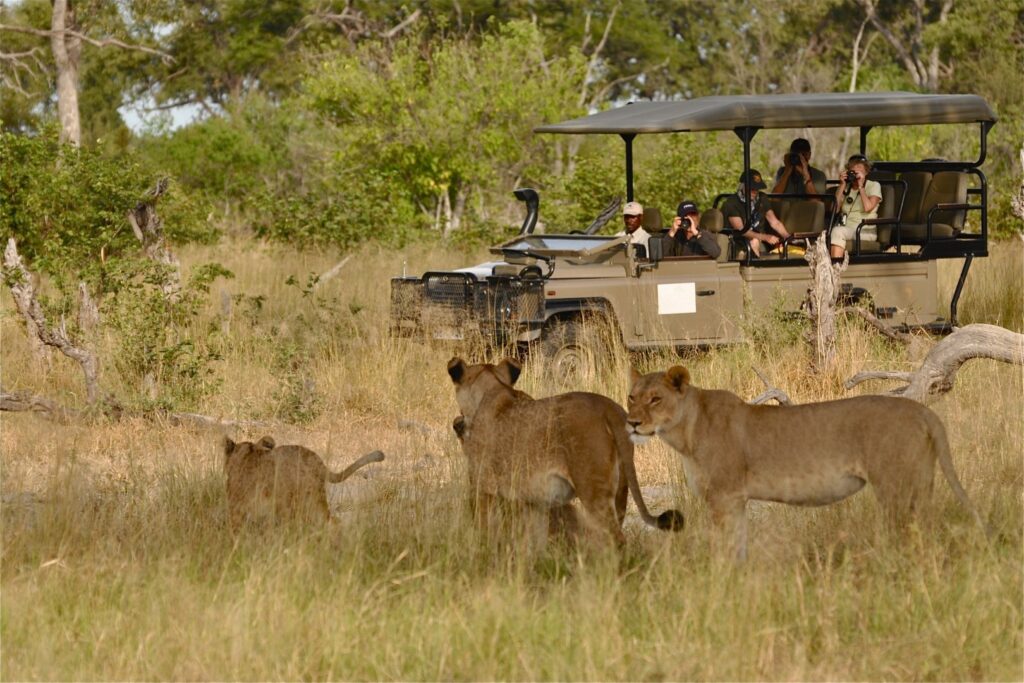
The Great Migration is often described as the greatest wildlife spectacle on Earth, but understanding what makes the migration unique goes far beyond simply watching large herds of animals move across Africa’s plains. This extraordinary journey is a living cycle of survival, instinct, danger, and renewal stretching across the ecosystems of Kenya and Tanzania.
Every year, more than 1.5 million wildebeest, alongside hundreds of thousands of zebras and gazelles, travel through the Serengeti-Mara ecosystem searching for fresh grazing lands and water. Their movement creates dramatic predator encounters, dangerous river crossings, and emotional wildlife moments unlike anything else in Africa.
At Uganda Safari Packages, migration safaris are carefully designed to combine wildlife storytelling, authentic safari experiences, and unforgettable encounters across East Africa’s most iconic landscapes.
For many travelers reading Chosen Expeditions Reviews, the migration becomes more than a safari. It becomes an emotional reminder of nature’s raw power and balance.
The Endless Journey Across East Africa

What makes the migration unique
One of the main reasons what makes the migration unique is its scale and constant movement. Unlike seasonal wildlife sightings in many destinations, the migration never truly stops.
The herds move continuously throughout the year:
- Calving in southern Serengeti
- Traveling north toward Maasai Mara
- Crossing rivers during dry seasons
- Returning south when rains arrive again
A Living Ecosystem in Motion
The migration supports one of Africa’s richest ecosystems.
Predators such as:
- Lions
- Cheetahs
- Hyenas
- Leopards
depend heavily on the migration for survival.
Vultures circle above hunting zones while crocodiles wait beneath river surfaces during crossing season.
Emotional Experience of Herd Movement
Watching thousands of wildebeest spread across endless plains creates a feeling difficult to describe.
The ground vibrates beneath moving animals while dust rises into golden sunlight. The sounds of hooves, grunting herds, and distant predator calls create an atmosphere that feels ancient and untouched.
Travelers often describe the experience as overwhelming in the best possible way.
The Drama of the River Crossings

What makes the migration unique
River crossings are among the most famous wildlife moments in the world.
This is where what makes the migration unique becomes most visible.
Why River Crossings Are So Dramatic
The herds must cross dangerous rivers filled with:
- Strong currents
- Crocodiles
- Steep muddy banks
- Predators waiting nearby
Animals gather nervously for hours or sometimes days before crossing.
Then suddenly, one wildebeest jumps—and thousands follow.
Survival and Instinct
Not every animal survives.
Some are swept away by currents while others become prey for crocodiles or predators on the opposite bank.
This harsh reality is part of what makes the migration one of nature’s most authentic spectacles.
Emotional Tension During Crossings
Safari vehicles often become completely silent while travelers watch the crossing unfold.
There is anticipation, fear, excitement, and amazement all at once.
The crossing becomes more than wildlife viewing—it becomes witnessing survival itself.
Predator Encounters and Wildlife Storytelling

What makes the migration unique
Another reason what makes the migration unique is the extraordinary predator activity that surrounds the herds.
Lions Following the Herds
Lions remain close to migration routes because prey becomes abundant during migration season.
Travelers often witness:
- Coordinated lion hunts
- Lion cubs feeding
- Territorial behavior
- Predator competition
Cheetahs and Open Plains Hunting
Cheetahs use speed across open grasslands to target gazelles and young wildebeest.
Watching a cheetah accelerate across the plains becomes one of the most thrilling safari experiences in Africa.
Hyenas and Scavengers
Hyenas are highly intelligent hunters and scavengers that benefit greatly from migration movement.
Their nighttime calls echo through safari camps, reminding travelers that the wilderness remains active after dark.
Emotional Wildlife Encounters
Predator sightings create emotional contrasts during the safari.
Moments of calm grazing suddenly transform into scenes of intense movement and survival.
These unpredictable shifts are central to what makes the migration unique.
Practical Safari Information and Suggested Itinerary

What makes the migration unique
Planning a migration safari requires understanding timing, travel logistics, accommodation, and wildlife seasons.
Best Time to See the Migration
July to October:
- Best for river crossings
- Highest wildlife concentration
- Peak safari season
January to March:
- Best for calving season in Serengeti
- Excellent predator activity
Safari Cost Estimates
Budget safari:
- $250–$450 per person per day
Mid-range safari:
- $500–$900 per person per day
Luxury safari:
- $1,000–$3,500+ per person per day
Suggested 6-Day Migration Safari Itinerary
Day 1:
Arrival in Nairobi and transfer to Maasai Mara.
Day 2:
Full-day migration safari along river crossing regions.
Day 3:
Sunrise predator tracking and afternoon cultural Maasai village experience.
Day 4:
Optional hot air balloon safari and photography game drive.
Day 5:
Extended migration exploration with picnic lunch in the savannah.
Day 6:
Morning wildlife drive and return to Nairobi.
This itinerary balances migration viewing, predator encounters, photography opportunities, and cultural experiences.
Why the Great Migration Feels Different from Other Safaris
Most safaris focus on finding wildlife.
The migration feels different because the entire ecosystem is moving and reacting together.
Predators follow prey.
River crossings create chaos.
Storms influence movement.
Fresh grass changes migration direction.
Everything feels alive and connected.
That deep ecological interaction is truly what makes the migration unique.

Frequently Asked Questions
What makes the Great Migration unique?
The migration is unique because millions of animals move continuously across East Africa while predators, river crossings, and changing seasons create dramatic wildlife interactions.
Where does the Great Migration happen?
The migration takes place between Tanzania’s Serengeti and Kenya’s Maasai Mara ecosystems.
When is the best time to see river crossings?
July to October is usually the best period for dramatic Mara River crossings.
How many animals participate in the migration?
Over 1.5 million wildebeest, along with zebras and gazelles, participate annually.
Can I combine the migration with Uganda safaris?
Yes. Many travelers combine migration safaris with gorilla trekking and Uganda wildlife safaris for a complete East African experience.
Best Places to Watch the Great Migration in East Africa

What makes the migration unique
Understanding where to go is essential to fully experience what makes the migration unique across East Africa’s interconnected ecosystems.
At Uganda Safari Packages, safari routes are customized according to migration timing, wildlife density, and the style of experience travelers want most.
Maasai Mara River Crossing Areas

What makes the migration unique
The Maasai Mara National Reserve is one of the most famous migration destinations in Africa because of its dramatic river crossings.
Why Maasai Mara Is So Popular
Between July and October:
- Massive herds arrive from Serengeti
- River crossings intensify
- Predator sightings increase
- Wildlife density becomes extraordinary
Best River Crossing Zones
Popular crossing areas include:
- Mara River
- Talek region
- Northern migration corridors
Emotional Safari Atmosphere
Watching thousands of wildebeest gather nervously along steep riverbanks creates intense anticipation.
The silence before a crossing often feels as powerful as the crossing itself.
Once movement begins, dust, splashing water, predator attacks, and frantic herd behavior create one of Africa’s greatest wildlife spectacles.
Serengeti Plains During Calving Season

What makes the migration unique
The southern Serengeti National Park becomes extremely important between January and March during calving season.
Why Calving Season Matters
Hundreds of thousands of wildebeest give birth within a short period.
This creates:
- Massive predator activity
- Young wildlife photography opportunities
- High cheetah and lion movement
Landscape Differences
Compared to Maasai Mara:
- Serengeti feels larger and more open
- Wildlife stretches endlessly across the plains
- Safari vehicle density is lower
Emotional Experience
Seeing newborn wildebeest attempt their first steps while predators patrol nearby creates emotional contrasts between vulnerability and survival.
Travelers witness the beginning of the migration cycle itself.
Western Corridor and Grumeti River

What makes the migration unique
The western Serengeti corridor becomes active around May and June as herds move northward.
What Makes This Region Special
This area offers:
- Fewer crowds
- Early migration movement
- Crocodile-filled river crossings
- Scenic remote landscapes
Wildlife Encounters
Travelers often experience:
- Lion prides near migration paths
- Elephant movement
- Large zebra herds
- Hyena activity
Emotional Atmosphere
The western corridor feels wild and remote.
Safari drives pass through vast landscapes where migration herds move beneath dramatic skies and isolated acacia trees.
Northern Serengeti and Remote Crossing Experiences

What makes the migration unique
Northern Serengeti offers some of the most exclusive migration experiences in East Africa.
Why Travelers Choose Northern Serengeti
Advantages include:
- Less crowded crossing points
- Luxury mobile camps
- Extended migration access
- More private safari atmosphere
Wildlife Experience
Travelers may spend entire days tracking migration movement through remote wilderness with very few other vehicles nearby.
Emotional Feeling
Northern Serengeti feels deeply immersive and untouched.
The silence, isolation, and scale of the wilderness create a more intimate migration safari compared to busier regions.
Suggested 8-Day Migration Safari Itinerary
Day 1:
Arrival in Nairobi.
Day 2:
Transfer to Maasai Mara and sunset game drive.
Day 3:
Full-day Mara River crossing safari.
Day 4:
Morning migration photography safari and flight to Serengeti.
Day 5:
Central Serengeti predator exploration.
Day 6:
Northern Serengeti migration safari.
Day 7:
Hot air balloon safari and cultural experience.
Day 8:
Return flight and departure.
This itinerary allows travelers to experience multiple migration stages across Kenya and Tanzania.
Choosing the Right Migration Destination
Best for River Crossings
- Maasai Mara
- Northern Serengeti
Best for Calving Season
- Southern Serengeti
Best for Fewer Crowds
- Western Corridor
- Northern Serengeti
Best for Luxury Safari Camps
- Private conservancies
- Northern Serengeti
Best for Predator Sightings
- Maasai Mara during crossing season
Safari Planning Advice
Migration movement changes yearly depending on rainfall and grazing conditions.
Travelers should:
- Book flexible itineraries
- Reserve lodges early
- Choose experienced safari operators
At Uganda Safari Packages, migration itineraries are adjusted according to herd movement, wildlife activity, and traveler preferences.
Travelers can Plan Your Safari or Request Itinerary for personalized Great Migration safari planning across East Africa.


