Migration Routes and River Crossings: Ultimate Great Migration Safari Guide
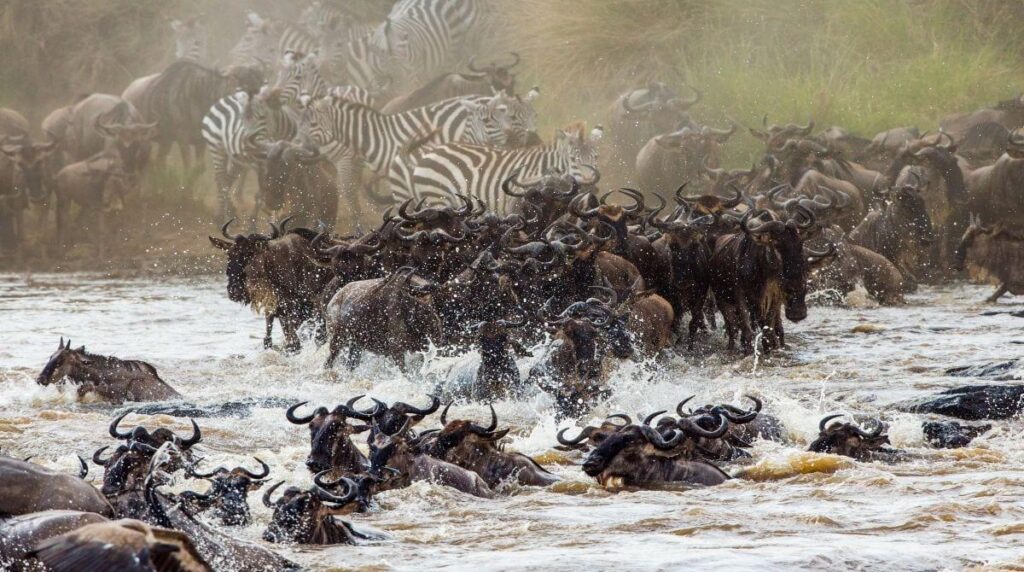
Understanding migration routes and river crossings helps travelers experience the migration at the right place and time while appreciating the incredible ecological balance that drives this natural phenomenon.
At Uganda Safari Packages, migration safaris are designed around wildlife movement patterns, photography opportunities, luxury safari experiences, and emotional wildlife storytelling across East Africa.
For travelers reading Chosen Expeditions Reviews, witnessing river crossings often becomes the most unforgettable moment of their safari experience.
Understanding the Migration Cycle Across East Africa

Migration Routes and River Crossings
Migration routes follow seasonal rainfall patterns across the Serengeti-Mara ecosystem.
The herds constantly move searching for:
- Fresh grass
- Water sources
- Safer grazing grounds
Southern Serengeti Calving Season
The migration usually begins in southern Serengeti National Park during January to March.
During this season:
- Hundreds of thousands of calves are born
- Predator activity increases dramatically
- Open plains become crowded with wildlife
Movement Toward the Western Corridor
As dry conditions begin, the herds move northwest toward the Western Corridor and Grumeti River region.
This stage includes:
- Large herd movement
- Crocodile encounters
- Increasing predator pressure
Arrival in Maasai Mara
Between July and October, many herds cross into Maasai Mara National Reserve.
This is the most famous migration period because:
- River crossings intensify
- Predator sightings peak
- Wildlife density becomes extraordinary
Emotional Experience of Herd Movement
Watching endless lines of wildebeest stretch across the horizon creates a feeling of scale difficult to imagine before arriving in Africa.
The movement feels ancient and instinctive, as if the landscape itself is alive.
Mara River Crossings and Survival Drama

Migration Routes and River Crossings
The Mara River crossing is the defining image of the Great Migration.
It represents one of nature’s most dramatic survival events.
Why River Crossings Happen
As grazing pressure increases and fresh grass appears beyond the river, herds must cross despite the dangers.
The river contains:
- Powerful currents
- Steep muddy banks
- Massive crocodiles
- Predator ambush zones
Crossing Behavior
Herds often gather nervously along the riverbank for hours.
Then suddenly:
- One animal jumps
- Panic spreads
- Thousands follow within seconds
The crossing becomes chaotic with splashing water, dust clouds, loud grunting, and predator attacks.
Crocodile Encounters
The Nile crocodiles waiting inside the river are among Africa’s largest predators.
Some remain motionless beneath the surface for long periods before striking during crossings.
Emotional Wildlife Storytelling
The crossings create intense emotional reactions.
Travelers experience:
- Anticipation
- Fear
- Excitement
- Silence
- Awe
Many safari guests describe the crossing as one of the most powerful wildlife moments they have ever witnessed.
Predator Activity Along Migration Routes

Migration Routes and River Crossings
Migration routes support one of the richest predator ecosystems in Africa.
Lions Following the Herds
Lions remain close to migration movement because prey becomes abundant.
Travelers frequently witness:
- Coordinated lion hunts
- Feeding activity
- Territorial behavior
- Lion cub interaction
Cheetah Hunting on Open Plains
Cheetahs benefit from:
- Open landscapes
- Young wildebeest calves
- Large prey movement patterns
Watching a cheetah accelerate through the grasslands creates incredible safari excitement.
Hyenas and Scavengers
Hyenas thrive during migration season.
They compete with lions over carcasses while scavenging opportunities increase near crossing zones.
Leopards in Riverine Forests
Leopards remain more elusive but are often found:
- Near river systems
- Inside woodland areas
- Resting in trees
Emotional Contrast
Migration routes constantly shift between calm and chaos.
Peaceful grazing scenes can suddenly transform into dramatic predator encounters within seconds.
That unpredictability is part of what makes migration safaris feel so alive.
Practical Safari Information and Suggested Migration Itinerary

Migration Routes and River Crossings
Planning a migration safari requires careful timing and flexible safari design.
Best Time for River Crossings
Best crossing period:
- July to October
Best predator activity:
- August and September
Safari Cost Estimates
Budget safari:
- $250–$450 per person per day
Mid-range safari:
- $500–$900 per person per day
Luxury safari:
- $1,000–$3,500+ per person per day
Costs vary depending on:
- Safari season
- Camp location
- Private vs shared safari
- Internal flights
Suggested 7-Day Migration Safari
Day 1:
Arrival in Nairobi and overnight stay.
Day 2:
Transfer to Maasai Mara and evening game drive.
Day 3:
Full-day Mara River crossing safari.
Day 4:
Predator tracking and photography-focused game drive.
Day 5:
Optional hot air balloon safari and cultural Maasai village experience.
Day 6:
Extended migration exploration along river routes.
Day 7:
Morning game drive and return to Nairobi.
This itinerary balances migration crossings, predator encounters, photography opportunities, and cultural experiences.
Why Migration Routes Matter So Much
Migration routes are not random movement patterns.
They are ecological highways shaped over thousands of years by:
- Rainfall cycles
- Predator behavior
- Grass growth
- River systems
These routes sustain one of the world’s richest wildlife ecosystems.
Without migration movement, predator populations and ecological balance across East Africa would change dramatically.
Migration routes and river crossings represent one of the last great wildlife spectacles remaining on Earth.
From the endless Serengeti plains to the dangerous waters of the Mara River, the migration reveals the raw reality of survival, instinct, and movement across Africa’s most iconic landscapes.
At Uganda Safari Packages, migration safaris are carefully designed to maximize wildlife encounters, photography experiences, luxury comfort, and emotional safari storytelling.
Travelers ready to experience the Great Migration can Plan Your Safari or Request Itinerary for personalized migration safari planning across East Africa.
Frequently Asked Questions
What are migration routes?
Migration routes are seasonal movement paths followed by wildebeest, zebras, and gazelles across Kenya and Tanzania searching for fresh grazing and water.
When do river crossings happen?
Most dramatic river crossings occur between July and October.
Which river is most famous during the migration?
The Mara River is the most famous crossing point during the Great Migration.
Why are river crossings dangerous?
River crossings involve crocodiles, strong currents, steep riverbanks, and predator attacks.
Can migration safaris be combined with Uganda tours?
Yes. Many travelers combine migration safaris with gorilla trekking and wildlife safaris in Uganda.
Best Time to See Migration Routes and River Crossings

Migration Routes and River Crossings
Timing is one of the most important factors when planning a safari focused on migration routes and river crossings. The movement of the herds changes constantly depending on rainfall, grazing conditions, and seasonal water availability across Kenya and Tanzania.
Travelers who understand the migration calendar have a much better chance of witnessing dramatic river crossings, predator encounters, and massive herd movement across East Africa’s iconic landscapes.
At Uganda Safari Packages, migration itineraries are customized around seasonal wildlife movement and photography opportunities to maximize safari experiences.
January to March — Calving Season in Southern Serengeti

Migration Routes and River Crossings
The migration begins the year in southern Serengeti National Park.
During this period:
- Thousands of calves are born daily
- Predator activity becomes intense
- Landscapes remain lush and green
Why Calving Season Is Special
Young wildebeest attract:
- Lions
- Hyenas
- Cheetahs
- Leopards
This creates extraordinary predator action across open plains.
Emotional Experience
Watching newborn wildebeest struggle to stand moments after birth creates emotional wildlife storytelling unlike any other safari season.
The contrast between vulnerability and survival becomes deeply moving.
April to June — Western Corridor and Grumeti River

Migration Routes and River Crossings
As rainfall patterns change, the migration moves northwest toward the Western Corridor and Grumeti River.
What Happens During This Season
Travelers experience:
- Massive herd movement
- Early river crossings
- Fewer safari crowds
- Scenic green landscapes
Grumeti River Crossings
Although less famous than the Mara River, the Grumeti crossings still provide dramatic wildlife encounters involving crocodiles and predator activity.
Emotional Safari Atmosphere
The western corridor feels remote and cinematic.
Storm clouds gather above endless grasslands while migration herds move slowly across the landscape in enormous numbers.
July to October — Peak Mara River Crossing Season

Migration Routes and River Crossings
This is considered the most famous migration period in East Africa.
Large herds arrive inside Maasai Mara National Reserve where dramatic river crossings occur.
Why This Season Is So Popular
During these months:
- River crossings intensify
- Predator sightings increase
- Wildlife density peaks
- Photography opportunities become extraordinary
August and September
These are generally considered the best months for:
- Mara River crossings
- Crocodile encounters
- Lion activity
Emotional River Crossing Experience
The atmosphere near the river feels tense and unpredictable.
Travelers wait silently as wildebeest gather nervously along muddy riverbanks before suddenly plunging into crocodile-filled waters.
These moments create unforgettable safari memories.
November and December — Return South and Green Landscapes

Migration Routes and River Crossings
As rains begin again, many herds start moving southward toward Tanzania.
Why Some Travelers Prefer This Season
Advantages include:
- Fewer tourists
- Lower accommodation prices
- Beautiful green landscapes
- Excellent photography conditions
Wildlife Viewing Remains Strong
Although crossings become less frequent, travelers still enjoy:
- Predator encounters
- Elephant sightings
- Scenic landscapes
- Smaller migration groups
Emotional Atmosphere
The green season creates softer safari experiences filled with dramatic skies, fresh grasslands, and quieter game drives.
Photographers especially love this period because landscapes appear more vibrant and cinematic.
Suggested 8-Day Seasonal Migration Safari
Day 1:
Arrival in Nairobi.
Day 2:
Transfer to Maasai Mara and evening safari.
Day 3:
Full-day migration exploration along river crossing zones.
Day 4:
Predator-focused photography safari.
Day 5:
Optional hot air balloon safari and cultural visit.
Day 6:
Transfer or flight to Serengeti.
Day 7:
Migration tracking safari in northern or central Serengeti.
Day 8:
Return flight and departure.
This itinerary allows travelers to experience multiple migration regions depending on seasonal herd movement.
Choosing the Best Season for Your Safari Goals
Best for River Crossings
- July to October
Best for Predator Action
- January to March
- August to September
Best for Photography
- July to October
- November green season
Best for Fewer Crowds
- April to June
- November
Best Budget Travel Period
- Green season months
Practical Safari Planning Advice
Migration movement changes yearly depending on rainfall and environmental conditions.
Travelers should:
- Book flexible itineraries
- Reserve camps early during peak season
- Use experienced safari operators
- Allow enough safari days for wildlife tracking
At Uganda Safari Packages, migration safaris are planned around real-time wildlife movement and seasonal safari conditions.
Travelers can Plan Your Safari or Request Itinerary for customized migration safari planning across Kenya and Tanzania.
Photography Guide for Migration Routes and River Crossings

Migration Routes and River Crossings
Photographing migration routes and river crossings is one of the most exciting wildlife photography experiences in the world. The Great Migration combines dramatic wildlife movement, emotional predator encounters, breathtaking landscapes, and unpredictable river crossings that create extraordinary visual storytelling opportunities.
For photographers, every safari drive offers something different:
- Thousands of wildebeest moving across golden plains
- Crocodiles exploding from river waters
- Lions stalking migration herds
- Dust-filled sunsets across East Africa’s savannahs
At Uganda Safari Packages, photography-focused safaris are carefully planned around lighting conditions, migration timing, and wildlife movement to help travelers capture unforgettable safari moments.
Best Lighting Conditions for Wildlife Photography

Migration Routes and River Crossings
Lighting changes the mood and emotional impact of safari photography.
Sunrise Photography
Early morning game drives provide:
- Soft golden light
- Active predators
- Cooler temperatures
- Beautiful misty landscapes
Lions and cheetahs are often more active shortly after sunrise, creating ideal photography opportunities.
Sunset Photography
Late afternoon offers:
- Warm orange tones
- Dramatic shadows
- Silhouettes against African skies
Elephants walking through dust clouds at sunset often create some of the most iconic safari images.
Emotional Atmosphere
The best migration photographs capture feeling rather than simply documenting animals.
A single wildebeest hesitating beside the riverbank can tell a stronger story than an entire herd crossing at once.
Capturing River Crossings Successfully

Migration Routes and River Crossings
River crossings are among the most difficult and rewarding wildlife photography moments in Africa.
Why Crossings Are Challenging
Crossings are unpredictable because:
- Herds hesitate for long periods
- Wildlife changes direction suddenly
- Action happens extremely fast
Photographers need patience and quick reactions.
Best Photography Angles
Successful migration photographers focus on:
- Wide landscape scenes
- Dust clouds and movement
- Emotional close-up moments
- Predator interaction
Crocodile Encounters
Crocodile attacks happen quickly and often without warning.
Capturing these moments requires:
- Fast shutter speeds
- Strong wildlife awareness
- Positioning near active crossing zones
Emotional Intensity
The emotional atmosphere during a crossing feels overwhelming.
The sound of hooves, splashing water, panicked movement, and predator activity creates intense photographic energy unlike any other safari experience.
Predator Photography Along Migration Routes

Migration Routes and River Crossings
Predator photography becomes especially dramatic during migration season.
Lions
Lions are easier to photograph because they:
- Hunt in open grasslands
- Stay near migration routes
- Rest in visible locations
Cheetahs
Cheetahs provide fast-paced photography opportunities involving:
- High-speed chases
- Open plains movement
- Dramatic hunting behavior
Leopards
Leopards require more patience because they are often:
- Hidden in trees
- Near rivers
- Inside woodland areas
Emotional Wildlife Storytelling
Predator photography captures anticipation and tension.
A crouched lioness or focused cheetah creates emotional suspense even before movement begins.
Photography Equipment and Safari Logistics

Migration Routes and River Crossings
Recommended Camera Equipment
Ideal safari photography gear includes:
- Zoom lens (200–600mm)
- Wide-angle lens for landscapes
- Extra batteries
- Dust protection gear
- Fast memory cards
Best Safari Vehicle Setup
Photography-focused safari vehicles often include:
- Open roof access
- Bean bags for lens support
- Flexible seating arrangements
Why Private Safaris Help Photographers
Private safaris allow:
- Longer wildlife observation
- Flexible positioning
- More control over lighting angles
Suggested 7-Day Photography Safari
Day 1:
Arrival and sunset safari.
Day 2:
Full-day river crossing photography safari.
Day 3:
Predator-focused sunrise game drive.
Day 4:
Hot air balloon photography experience.
Day 5:
Northern Serengeti migration tracking.
Day 6:
Golden-hour landscape photography safari.
Day 7:
Morning wildlife drive and departure.
This itinerary balances river crossings, predator encounters, and scenic photography opportunities.
Best Locations for Migration Photography
Best for River Crossings
- Mara River
- Northern Serengeti
Best for Predator Photography
- Maasai Mara
- Central Serengeti
Best for Scenic Landscapes
- Southern Serengeti
- Western Corridor
Best for Hot Air Balloon Photography
- Maasai Mara sunrise safaris
Why Migration Photography Feels So Powerful
Migration photography is not only about wildlife.
It captures:
- Survival
- Movement
- Fear
- Instinct
- Beauty
- Chaos
Each photograph becomes part of a much larger natural story unfolding across East Africa.
That emotional depth is what makes migration photography so unforgettable.
Safari Planning Advice for Photographers
Photographers should:
- Book peak migration months early
- Use flexible itineraries
- Prioritize private safari vehicles
- Choose camps near crossing regions
At Uganda Safari Packages, photography safaris are customized around wildlife movement, lighting conditions, and seasonal migration patterns.
Travelers can Plan Your Safari or Request Photography Itinerary for personalized migration photography adventures across East Africa.
Luxury Camps Near Migration Routes and River Crossings

Migration Routes and River Crossings
Choosing the right safari accommodation can completely transform the migration experience. Luxury camps positioned near migration routes and river crossings provide travelers with exceptional wildlife access, comfort, photography opportunities, and immersive wilderness experiences across Kenya and Tanzania.
Staying close to active migration corridors means travelers spend less time driving and more time watching wildlife movement unfold naturally across the savannah.
At Uganda Safari Packages, migration safaris include carefully selected camps and lodges designed around seasonal herd movement, comfort level, and personalized safari experiences.
Why Camp Location Matters During the Migration

Migration Routes and River Crossings
Migration movement changes constantly depending on rainfall and grazing conditions.
A well-positioned safari camp provides:
- Faster access to river crossings
- Better sunrise game drive opportunities
- Fewer crowds
- Longer wildlife viewing time
Staying Near Crossing Zones
Camps located near the Mara River or northern Serengeti crossing areas often allow travelers to reach crossings before other vehicles arrive.
This creates:
- Better photography positioning
- More peaceful wildlife observation
- Improved chances of seeing crossing activity
Emotional Wilderness Experience
Luxury migration camps create unforgettable safari atmospheres.
Travelers may hear:
- Wildebeest moving near camp
- Hyenas calling at night
- Lions roaring in the distance
The feeling of sleeping inside an active migration ecosystem becomes part of the adventure itself.
Luxury Camps in Maasai Mara

Migration Routes and River Crossings
Maasai Mara National Reserve offers some of Africa’s most iconic migration camps.
What Makes Maasai Mara Camps Special
Luxury camps in Maasai Mara often feature:
- River-view tented suites
- Private safari decks
- Outdoor showers
- Personalized guiding
Access to River Crossings
Many camps are positioned close to:
- Mara River crossing zones
- Predator hunting territories
- Open migration plains
Emotional Safari Storytelling
Evenings in Maasai Mara feel cinematic.
After long game drives, travelers gather beside campfires while distant wildebeest herds continue moving beneath star-filled skies.
The atmosphere feels both peaceful and wild at the same time.
Northern Serengeti Luxury Camps

Migration Routes and River Crossings
Northern Serengeti National Park provides more remote and exclusive migration experiences.
Why Travelers Choose Northern Serengeti
Advantages include:
- Fewer safari vehicles
- Private crossing areas
- Quiet wilderness atmosphere
- Exclusive mobile camps
Mobile Migration Camps
Some camps move seasonally following migration routes.
This allows travelers to stay:
- Close to wildlife movement
- Near active crossing locations
- Inside less crowded safari zones
Emotional Atmosphere
Northern Serengeti feels isolated and deeply immersive.
The silence of the plains, interrupted only by wildlife sounds, creates a feeling of true wilderness rarely experienced elsewhere.
Practical Costs, Timing, and Safari Logistics

Migration Routes and River Crossings
Luxury Safari Cost Estimates
Mid-range migration camps:
- $500–$900 per person per night
Luxury migration camps:
- $1,000–$3,500+ per person per night
What Luxury Rates Usually Include
Many camps include:
- Accommodation
- Meals
- Shared game drives
- Park access logistics
Private vehicles and premium experiences may cost extra.
Best Booking Period
Peak migration season:
- July to October
Travelers should reserve camps:
- 6–12 months in advance
Suggested 8-Day Luxury Migration Safari
Day 1:
Arrival in Nairobi.
Day 2:
Flight to Maasai Mara luxury camp.
Day 3:
River crossing safari experience.
Day 4:
Predator tracking and photography game drive.
Day 5:
Hot air balloon safari and cultural experience.
Day 6:
Flight to Northern Serengeti.
Day 7:
Exclusive migration crossing exploration.
Day 8:
Return flight and departure.
This itinerary combines luxury accommodation, migration viewing, and scenic East African landscapes.
What Makes Luxury Migration Camps Different
Luxury safari camps focus on:
- Personalized experiences
- Privacy
- Scenic camp locations
- Flexible safari schedules
- High-quality guiding
The combination of comfort and wilderness immersion creates extraordinary safari memories.
Choosing the Right Migration Camp
Best for River Crossing Access
- Northern Maasai Mara camps
- Northern Serengeti camps
Best for Photography
- Private conservancy camps
- Mobile migration camps
Best for Honeymoon Travelers
- Luxury tented suites
- Scenic river-view camps
Best for Fewer Crowds
- Remote Serengeti camps
- Conservancy properties
Safari Planning Advice
Travelers planning luxury migration safaris should:
- Book early during peak season
- Choose flexible itineraries
- Consider internal safari flights
- Prioritize camps near migration movement
At Uganda Safari Packages, migration safari accommodations are carefully selected based on herd location, photography goals, and traveler comfort preferences.
Travelers can Plan Your Safari or Request Itinerary for personalized migration safari planning across Kenya and Tanzania.