Can I Do Walking Safaris in Maasai Mara? Complete Visitor Guide

Can I Do Walking Safaris in Maasai Mara?
Everything You Need to Know
One of the most common questions travelers ask while planning a Kenya safari is, “Can I do Walking Safaris in Maasai Mara?” The answer is yes—but with an important distinction. Walking safaris are generally not permitted inside the core Maasai Mara National Reserve, where large predators roam freely and visitor safety is the highest priority. Instead, these guided experiences take place in carefully managed private conservancies surrounding the reserve, where specially trained guides and strict safety protocols make exploring on foot both exciting and responsible.
A walking safari offers a completely different perspective from a traditional game drive. Instead of observing wildlife from the comfort of a vehicle, you slow your pace and begin to notice the countless details that make the African wilderness so extraordinary. Every footprint in the sand, every bird call, every flowering plant, and every distant animal movement tells a story about the ecosystem.
At Uganda Safari Packages, we include guided walking safaris in selected Maasai Mara itineraries for travelers seeking a deeper connection with nature. These experiences can also be combined with classic game drives, hot air balloon safaris, cultural visits, and extensions to Uganda for gorilla trekking and chimpanzee tracking.
Imagine stepping into the bush shortly after sunrise.
The air is cool, carrying the fresh scent of wild grasses damp with morning dew.
Your experienced guide pauses beside a set of fresh elephant footprints pressed deeply into the soft earth.

Nearby, a group of impalas suddenly raises their heads, alert to something hidden in the distance.
The guide quietly explains their behavior, pointing toward a patch of tall grass where a cheetah had passed only a short while earlier.
There is no engine noise.
No crowded viewpoints.
Only the sounds of birds, insects, and the gentle rustling of the wind across the savannah.
These quiet moments often become some of the most meaningful memories of an African safari.
Why Choose a Walking Safari?
Unlike game drives that focus primarily on large mammals, walking safaris encourage travelers to appreciate every aspect of the ecosystem.
Your guide introduces fascinating details that are often missed from a vehicle.
You learn to identify:
- Animal footprints
- Bird calls
- Medicinal plants
- Insect behavior
- Trees and shrubs
- Animal dung
- Predator markings
- Seasonal changes in vegetation
Every observation helps build a deeper understanding of how wildlife survives within the Maasai Mara.
Where Do Walking Safaris Take Place?
Walking safaris are conducted in private conservancies bordering the Maasai Mara National Reserve.
These conservancies provide exclusive access to protected landscapes while limiting visitor numbers.
Popular conservancies include areas that support healthy populations of wildlife while maintaining strict conservation standards and safety regulations.
The quieter environment also creates opportunities to observe wildlife without the traffic sometimes found inside the main reserve.
Safety Comes First
Safety is the foundation of every walking safari.
Professional guides receive extensive training in wildlife behavior, risk assessment, emergency procedures, and first aid.
Before every walk, guests receive a detailed briefing covering:
- Walking formations
- Communication signals
- Safe viewing distances
- Appropriate clothing
- Photography guidelines
- Emergency procedures
Participants are always accompanied by experienced guides, and walks are carefully planned to avoid unnecessary risks.
The objective is not to approach dangerous wildlife but to experience nature respectfully and safely.
Wildlife You May Encounter
Although sightings vary each day, walking safaris frequently include encounters with:
- Giraffes
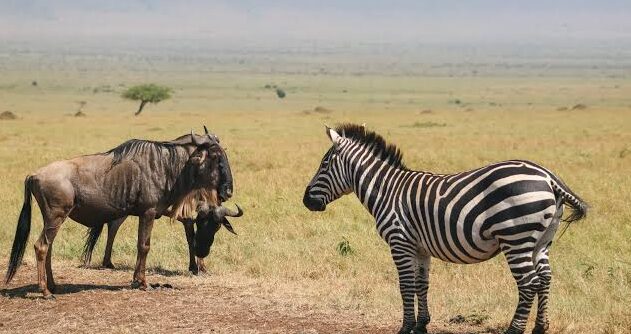
- Zebras
- Wildebeest
- Gazelles
- Impalas
- Warthogs
- Elephants (viewed from safe distances)
- Buffaloes
- Numerous bird species
Predators such as lions, leopards, and cheetahs are occasionally seen from a distance, with guides ensuring appropriate safety measures are followed at all times.
A Richer Understanding of Nature
Walking through the savannah reveals the hidden stories of the ecosystem.
Your guide may explain how termites enrich the soil, how certain plants are used in traditional medicine, or how alarm calls from birds help identify nearby predators.
You begin to recognize subtle signs that would normally pass unnoticed during a game drive.
These discoveries transform the landscape into a living classroom, deepening your appreciation for Africa’s remarkable biodiversity.
Photography Opportunities
Walking safaris are excellent for close-up photography of landscapes, plants, insects, birds, and smaller wildlife.
Morning light provides ideal conditions for capturing:
- Dew-covered grasses
- Colorful wildflowers
- Butterfly species
- Acacia silhouettes
- Birdlife
- Scenic panoramas
Because the pace is slower, photographers have more time to compose creative images.
Conservation Through Responsible Tourism
Walking safaris contribute directly to conservation by supporting privately managed conservancies that protect wildlife habitats while creating employment for local communities.
Revenue generated through responsible tourism helps fund:
- Wildlife monitoring
- Habitat restoration
- Community education
- Anti-poaching patrols
- Sustainable tourism initiatives
By participating in guided walks, travelers actively support long-term conservation efforts across the Maasai Mara ecosystem.
Why Book with Uganda Safari Packages?
At Uganda Safari Packages, we design personalized itineraries that combine Walking Safaris in Maasai Mara with traditional game drives, cultural experiences, luxury accommodations, and unforgettable wildlife encounters.
Our safari packages can also include:
- Hot air balloon safaris
- Great Migration experiences
- Gorilla trekking in Uganda
- Chimpanzee tracking
- Wildlife safaris in Queen Elizabeth National Park
- Murchison Falls National Park adventures
Whether you are visiting East Africa for the first time or returning for another adventure, our experienced team ensures every detail is professionally arranged.
Can I Do Walking Safaris in Maasai Mara? Best Conservancies, Safety, Costs and Planning
Where Can You Experience Walking Safaris in Maasai Mara?
One of the biggest misconceptions about Walking Safaris in Maasai Mara is that visitors can simply leave their safari vehicle and walk through the national reserve. In reality, wildlife safety regulations prohibit general walking within the main Maasai Mara National Reserve because it is home to free-ranging lions, leopards, buffaloes, elephants, and other potentially dangerous animals.
Instead, professionally guided walking safaris take place in carefully managed private conservancies surrounding the reserve. These conservancies work closely with local Maasai communities and conservation organizations to protect wildlife while offering visitors low-impact experiences that are both educational and safe.
Because visitor numbers are limited, conservancies provide a quieter atmosphere than the main reserve. Guests often enjoy more personal wildlife encounters, fewer safari vehicles, and greater opportunities to appreciate the smaller details of the African bush.
Why Conservancies Offer Better Walking Experiences
Private conservancies have become leaders in sustainable tourism across Kenya.
Unlike the busier areas of the national reserve, conservancies focus on balancing tourism with wildlife conservation and community benefits.
Advantages include:
- Smaller visitor numbers
- Exclusive wildlife viewing
- Experienced local guides
- Flexible safari activities
- Conservation-focused tourism
- Support for Maasai communities
- Peaceful natural surroundings
These protected landscapes allow travelers to explore the savannah at a slower pace while learning about the delicate balance that sustains one of Africa’s richest ecosystems.
What Makes a Walking Safari Different?
A traditional game drive focuses on finding large mammals.
A walking safari focuses on understanding nature.
Every few minutes your guide may stop to explain something remarkable that most visitors would otherwise overlook.
Fresh elephant footprints reveal the direction a herd travelled only hours earlier.
Tiny tracks crossing sandy ground belong to nocturnal mammals that disappeared before sunrise.
Bird calls echo from nearby trees, each one carrying information about changing activity within the surrounding landscape.
Even a fallen acacia branch becomes part of the story as your guide explains how giraffes browse selectively without harming the long-term health of the tree.
The slower pace transforms every step into an opportunity for discovery.
Wildlife Encounters on Foot
Walking safaris are carefully designed to maximize learning while minimizing risk.
Although no wildlife sightings can ever be guaranteed, visitors commonly observe:
- Giraffes browsing quietly across the plains
- Zebras grazing in family groups
- Thomson’s gazelles
- Grant’s gazelles
- Impalas
- Topi
- Hartebeest
- Warthogs
- Baboons
- Numerous bird species
Larger animals such as elephants or buffaloes are sometimes viewed from carefully controlled distances.
Predators may occasionally be seen from afar, but guides always prioritize guest safety and adjust routes accordingly.
Rather than seeking dramatic close encounters, walking safaris emphasize respectful observation and ecological understanding.
Learning From Expert Guides
Professional walking safari guides possess extensive knowledge that extends far beyond wildlife identification.
During your walk, they explain:
- Animal behavior
- Seasonal migrations
- Plant ecology
- Traditional medicinal uses of native plants
- Bird identification
- Predator-prey relationships
- Insect life
- Conservation challenges
- Maasai traditions connected with the landscape
Many guides grew up within local communities and share personal stories that enrich the experience while offering valuable cultural insights.
How Safe Are Walking Safaris?
Safety remains the highest priority throughout every walk.
Before leaving camp, your guide conducts a comprehensive safety briefing covering:
- Walking in single file
- Keeping a safe distance from wildlife
- Following guide instructions immediately
- Speaking quietly during wildlife encounters
- Appropriate clothing and footwear
- Emergency procedures
Guides constantly monitor wildlife movements and adapt routes according to conditions.
If wildlife activity changes unexpectedly, the walk is modified or concluded without hesitation.
This professional approach allows guests to enjoy nature with confidence.
Best Time for Walking Safaris
Walking safaris are available throughout much of the year, although weather and seasonal conditions influence the experience.
July to October
These dry months offer comfortable walking conditions and excellent wildlife visibility.
Vegetation becomes shorter, making it easier to observe animals.
January to March
Warm temperatures, clear skies, and active wildlife create outstanding walking conditions.
Photography is particularly rewarding during this period.
April and May
The green season transforms the landscape with lush vegetation and abundant wildflowers.
Birdwatchers especially appreciate the diversity of resident and migratory species.
Occasional rainfall should be expected.
November and December
Fresh vegetation attracts grazing animals while visitor numbers are generally lower than during peak migration months.
What Should You Wear?
Comfortable clothing greatly improves the walking safari experience.
Recommended items include:
- Neutral-colored shirts and trousers
- Comfortable walking boots or sturdy shoes
- Wide-brimmed hat
- Sunglasses
- Light waterproof jacket during rainy months
- Sunscreen
- Insect repellent
- Small reusable water bottle
- Binoculars
- Camera with secure strap
Avoid brightly colored clothing, strong perfumes, and excessive luggage.
Photography During Walking Safaris
The slower pace creates exceptional opportunities for photography beyond the famous Big Five.
Popular subjects include:
- Birdlife
- Wildflowers
- Butterflies
- Acacia landscapes
- Animal tracks
- Insects
- Sunrise scenery
- Maasai guides
- Conservation activities
Early morning light produces soft, natural colors that enhance both landscape and wildlife photography.
Conservation Benefits
Walking safaris directly support responsible tourism across the Maasai Mara ecosystem.
Tourism revenue contributes to:
- Habitat protection
- Wildlife monitoring
- Community employment
- Anti-poaching initiatives
- Environmental education
- Sustainable land management
Many conservancies operate through partnerships with local Maasai landowners, ensuring tourism generates long-term benefits for both wildlife and surrounding communities.
Estimated Costs
Walking safaris are often available as optional activities through safari lodges located within private conservancies.
Prices vary depending on:
- Conservancy location
- Group size
- Duration
- Accommodation category
- Included services
Luxury safari camps frequently include guided walks as part of the overall safari package, while other properties offer them as optional excursions.
Practical Travel Tips
To make the most of your Walking Safaris in Maasai Mara, consider these recommendations:
- Book accommodations located within conservancies if walking safaris are a priority.
- Schedule walks early in the morning when temperatures are cooler.
- Listen carefully to your guide’s instructions throughout the experience.
- Carry only essential items to remain comfortable.
- Combine walking safaris with traditional game drives for a complete wildlife experience.
Why Book with Uganda Safari Packages?
At Uganda Safari Packages, we create personalized itineraries that combine guided walking safaris with the very best wildlife experiences across East Africa.
Our customized packages include:
- Walking safaris in Maasai Mara conservancies
- Traditional game drives
- Hot air balloon safaris
- Great Migration experiences
- Luxury, mid-range, and budget accommodations
- Gorilla trekking in Uganda
- Chimpanzee tracking in Kibale National Park
- Private 4×4 safari vehicles
- Domestic and regional flights
- Professional English-speaking safari guides
Whether you dream of quietly exploring the African bush on foot or standing face-to-face with mountain gorillas in Uganda, we design every itinerary to match your travel style and interests.
Can I Do Walking Safaris in Maasai Mara? A 9-Day Safari Itinerary
A Complete Kenya Safari Featuring Walking Safaris in Maasai Mara
One of the best ways to experience Walking Safaris in Maasai Mara is by combining them with traditional game drives, cultural visits, and optional activities such as a sunrise hot air balloon safari. This balanced itinerary gives international travelers the opportunity to appreciate both the excitement of wildlife viewing from a vehicle and the intimate connection with nature that only a guided walk can provide.
Designed by Uganda Safari Packages, this 9-day itinerary offers an unforgettable journey through Kenya’s iconic landscapes while leaving the option to extend your adventure into Uganda for gorilla trekking, chimpanzee tracking, and additional wildlife experiences.
9-Day Walking Safari Itinerary
Day 1: Arrival in Nairobi
Upon arrival at Jomo Kenyatta International Airport, you will be welcomed by a representative from Uganda Safari Packages and transferred to your hotel in Nairobi.
The rest of the day is reserved for relaxation after your international flight. Depending on your arrival time, you may visit the Giraffe Centre, the Karen Blixen Museum, or simply enjoy the facilities at your hotel.
In the evening, your safari consultant conducts a detailed briefing covering your itinerary, accommodation, wildlife expectations, packing recommendations, and safety guidelines for both game drives and walking safaris.
Accommodation: Nairobi hotel
Included
- Airport transfer
- Overnight stay
- Safari briefing
Day 2: Journey to Maasai Mara
After breakfast, depart Nairobi for the world-famous Maasai Mara. Travelers may choose a scenic road transfer through the Great Rift Valley or a domestic flight for greater convenience.
Upon arrival at your lodge or luxury tented camp in one of the private conservancies bordering the reserve, enjoy lunch before setting out on your first afternoon game drive.
As the golden afternoon light spreads across the plains, wildlife begins to appear.
A herd of elephants slowly crosses an open valley while giraffes browse among umbrella-shaped acacia trees. Nearby, a family of zebras grazes peacefully, their distinctive black-and-white stripes creating beautiful patterns against the green grasslands.
Your experienced guide explains the unique behaviors of each species while scanning the horizon for predators.
Accommodation: Safari lodge or luxury tented camp
Included
- Transfer to Maasai Mara
- Afternoon game drive
- Dinner and overnight stay
Day 3: First Guided Walking Safari
Wake before sunrise for your first guided walking safari.
After a safety briefing from your professional guide, begin exploring the conservancy on foot.
The experience immediately feels different from a traditional safari.
Without the sound of an engine, every natural sound becomes more noticeable.
Birds call from nearby trees.
Fresh tracks in the sandy soil reveal the movement of wildlife during the night.
Your guide kneels beside the footprints of a lion, explaining how experienced trackers estimate the animal’s direction, size, and the approximate time it passed through the area.
Further along the trail, a group of giraffes calmly watches from a safe distance before slowly continuing to feed.
Small details suddenly become fascinating.
Termite mounds support entire miniature ecosystems.
Medicinal plants reveal centuries of Maasai knowledge.
The walk concludes with breakfast back at camp before an afternoon game drive in search of the Big Five.
Accommodation: Maasai Mara conservancy
Included
- Morning walking safari
- Afternoon game drive
Day 4: Full-Day Wildlife Safari
Spend the day exploring different regions of the Maasai Mara ecosystem.
Early morning often provides excellent predator sightings.
Your guide follows alarm calls from nearby impalas until a pride of lions is discovered resting beneath a large acacia tree after a successful hunt.
Later, elephants gather around a seasonal waterhole while buffaloes graze nearby.
During migration season, vast herds of wildebeest and zebras stretch across the horizon.
A picnic lunch in the bush allows more time for wildlife viewing without returning to camp.
The afternoon continues with opportunities to observe cheetahs, hyenas, jackals, and abundant birdlife.
Accommodation: Maasai Mara
Included
- Full-day game drive
- Picnic lunch
Day 5: Walking Safari and Maasai Cultural Visit
Another early morning walk introduces new landscapes and wildlife.
Rather than focusing on large mammals, today’s experience highlights the intricate relationships between plants, insects, birds, and smaller animals.
Your guide explains how different species depend upon one another to maintain the balance of the ecosystem.
After lunch, visit a traditional Maasai village where community members warmly welcome visitors through music, dance, and storytelling.
You learn about traditional livestock practices, local craftsmanship, and the important role Maasai communities play in wildlife conservation across the conservancies.
The cultural experience adds valuable context to everything observed during the safari.
Accommodation: Maasai Mara
Included
- Guided walking safari
- Maasai cultural experience
Day 6: Optional Hot Air Balloon Safari or Morning Game Drive
Today offers flexibility based on your interests.
Guests seeking a luxury experience may choose an optional sunrise hot air balloon safari.
Floating silently above the savannah provides spectacular panoramic views of rivers, forests, grasslands, and wildlife moving across the plains below.
After landing, enjoy a traditional bush breakfast before returning to camp.
Travelers who prefer to remain on the ground can participate in an extended morning game drive followed by an afternoon at leisure.
An evening sunset safari completes another memorable day.
Accommodation: Maasai Mara
Included
- Morning activity
- Evening game drive
Day 7: Birdwatching and Photography
This day focuses on the incredible biodiversity that extends beyond the famous Big Five.
The Maasai Mara supports hundreds of bird species, including secretary birds, lilac-breasted rollers, martial eagles, vultures, and crowned cranes.
Photographers benefit from slower-paced game drives designed to maximize lighting and composition.
Morning mist, dramatic skies, grazing wildlife, and sweeping landscapes provide outstanding opportunities for memorable photographs.
After lunch, enjoy time relaxing at the lodge before a final evening safari.
Accommodation: Maasai Mara
Included
- Birdwatching
- Photography safari
Day 8: Return to Nairobi
Enjoy one last morning game drive before beginning your journey back to Nairobi.
The final drive often produces unexpected highlights.
Perhaps a leopard resting in a tree after a successful hunt.
A family of elephants crossing the road only meters ahead.
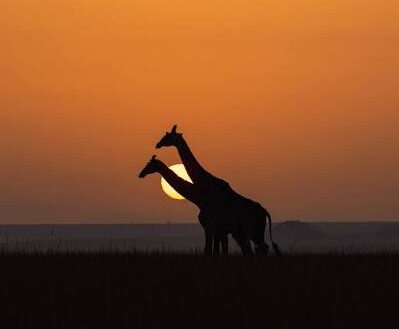
Or giraffes silhouetted against the rising African sun.
Upon arrival in Nairobi, check into your hotel and enjoy a relaxing evening.
Accommodation: Nairobi hotel
Included
- Morning game drive
- Return transfer
Day 9: Departure or Uganda Safari Extension
Following breakfast, transfer to the airport for your onward flight.
For travelers wishing to experience even more of East Africa, Uganda Safari Packages recommends extending your journey into Uganda.
Popular extensions include:
- Gorilla trekking in Bwindi Impenetrable National Park
- Chimpanzee tracking in Kibale National Park
- Queen Elizabeth National Park wildlife safari
- Boat cruise on the Kazinga Channel
- Murchison Falls National Park
- Ziwa Rhino Sanctuary
Combining Kenya and Uganda offers one of Africa’s most rewarding safari experiences, bringing together the Great Migration, Big Five, mountain gorillas, chimpanzees, and diverse ecosystems in one seamless itinerary.
Estimated Safari Costs
Pricing varies according to travel season, accommodation level, and group size.
Budget Safaris
Ideal for travelers seeking affordable yet comfortable wildlife experiences with shared game drives and quality lodges.
Mid-Range Safaris
Include upgraded accommodation, private safari vehicles, experienced guides, and greater itinerary flexibility.
Luxury Safaris
Feature premium tented camps, gourmet dining, exclusive conservancies, personalized service, optional domestic flights, and activities such as hot air balloon safaris.
Walking safaris are often included at luxury conservancy lodges or available as optional guided activities.
Practical Travel Information
Best Time to Visit
- July to October: Excellent wildlife viewing and Great Migration.
- January to March: Warm, dry conditions and excellent photography.
- April to May: Green landscapes, migratory birds, and fewer visitors.
- November to December: Pleasant weather with abundant resident wildlife.
What to Pack
Bring:
- Neutral-colored clothing
- Comfortable walking boots
- Light jacket
- Hat
- Sunglasses
- Sunscreen
- Camera
- Binoculars
- Reusable water bottle
- Small daypack
- Personal medications
Transportation
Uganda Safari Packages provides:
- Private 4×4 safari vehicles
- Domestic flight options
- Airport transfers
- English-speaking professional guides
- Customized itineraries for solo travelers, couples, families, photographers, and groups
Why Choose Uganda Safari Packages?
With years of experience designing East African adventures, Uganda Safari Packages creates personalized itineraries that combine Walking Safaris in Maasai Mara with Kenya’s finest wildlife experiences and Uganda’s world-famous gorilla trekking destinations.
From guided bush walks and Big Five game drives to cultural encounters and rainforest adventures, every journey is carefully planned to deliver unforgettable memories while supporting responsible tourism.
Can I Do Walking Safaris in Maasai Mara? Conclusion, Reviews and FAQs
Why a Walking Safari Should Be Part of Your Maasai Mara Adventure
If you have been asking, “Can I do Walking Safaris in Maasai Mara?”, the answer is yes—and for many travelers, it becomes one of the most memorable parts of their Kenya safari. While traditional game drives remain the best way to observe large mammals across the open plains, walking safaris offer an entirely different experience by allowing you to connect with nature at ground level.
Instead of driving quickly from one wildlife sighting to another, you slow down and begin to notice the details that make the Maasai Mara ecosystem so remarkable. Every footprint, bird call, flowering plant, termite mound, and breeze through the grass tells a story about life in the African wilderness.
Walking through a private conservancy with an experienced guide also provides a deeper understanding of conservation. You learn how wildlife, local communities, and responsible tourism work together to protect one of Africa’s most celebrated landscapes.
For photographers, nature lovers, birdwatchers, honeymooners, families, and returning safari enthusiasts, guided bush walks create unforgettable moments that perfectly complement traditional game drives.
Combine Kenya with Uganda for the Ultimate East African Safari
One of the greatest advantages of booking with Uganda Safari Packages is the opportunity to combine Kenya’s spectacular savannahs with Uganda’s ancient rainforests.
After completing your walking safari in the Maasai Mara, continue your adventure into Uganda for experiences that are equally extraordinary but entirely different.
Imagine beginning your holiday by quietly following fresh giraffe tracks through the Maasai Mara before later trekking through the misty forests of Bwindi Impenetrable National Park in search of endangered mountain gorillas.
In Kibale National Park, the atmosphere changes once again as lively chimpanzees race through the forest canopy, calling to one another while experienced trackers guide you through one of Africa’s richest tropical forests.
A combined Kenya and Uganda itinerary allows travelers to experience:
- Walking safaris
- Big Five game drives
- The Great Migration (seasonal)
- Hot air balloon safaris
- Gorilla trekking
- Chimpanzee tracking
- Boat safaris
- Birdwatching
- Cultural experiences
- Luxury safari lodges
Few safari destinations in the world offer such remarkable diversity within one journey.
Why Choose Uganda Safari Packages?
At Uganda Safari Packages, every itinerary is tailored to your travel style, interests, and budget.
Our safari specialists assist with:
- Kenya safari planning
- Walking safari reservations
- Private conservancy accommodation
- Great Migration safaris
- Hot air balloon safari bookings
- Gorilla trekking permits
- Chimpanzee permits
- Luxury, mid-range, and budget accommodation
- Airport transfers
- Domestic and regional flights
- Professional English-speaking safari guides
Whether you are planning your first African safari or returning to discover new experiences, our knowledgeable team ensures every detail is professionally arranged from arrival to departure.
Traveler Reviews
★★★★★ Sarah & Michael – United States
“The walking safari completely changed how we experienced Africa. Our guide explained animal tracks, birds, plants, and even insects. We later continued into Uganda for gorilla trekking, and Uganda Safari Packages organized every part of the journey perfectly.”
★★★★★ Emma – United Kingdom
“The combination of walking safaris, game drives, and the optional balloon safari created the perfect balance. Every day offered something different, and our guide was incredibly knowledgeable.”
★★★★★ Daniel & Sophie – Germany
“Our Kenya and Uganda itinerary exceeded expectations. Walking quietly through the conservancy before seeing mountain gorillas in Bwindi was the highlight of our honeymoon.”
★★★★★ James – Australia
“Excellent planning, beautiful lodges, outstanding guides, and unforgettable wildlife encounters. Uganda Safari Packages made our East African safari effortless.”
Frequently Asked Questions
Can I walk inside Maasai Mara National Reserve?
Generally, no. Guided Walking Safaris in Maasai Mara are primarily conducted within private conservancies surrounding the reserve, where experienced guides follow strict safety procedures.
Are walking safaris safe?
Yes. Professional guides are trained in wildlife behavior, first aid, and emergency response. Every walk begins with a safety briefing, and routes are selected according to current wildlife activity.
How long does a walking safari last?
Most guided walks last between 2 and 4 hours, depending on the conservancy, weather conditions, and itinerary.
What wildlife can I expect to see?
Common sightings include giraffes, zebras, gazelles, impalas, warthogs, birds, and occasionally elephants or buffaloes from safe viewing distances. Predator sightings may occur from afar, but no specific wildlife encounter can be guaranteed.
What should I wear?
Wear neutral-colored clothing, comfortable walking shoes or boots, a hat, sunscreen, and a light jacket for cooler mornings. Carry a reusable water bottle, binoculars, and a camera for the best experience.
Are walking safaris suitable for children?
Age requirements vary between conservancies and safari operators. Families should confirm minimum age restrictions before booking.
When is the best time for a walking safari?
The dry seasons from January to March and July to October generally provide the best walking conditions and excellent wildlife visibility. The green seasons also offer rewarding experiences with lush scenery and outstanding birdwatching.
Can I combine Kenya with Uganda?
Absolutely. Uganda Safari Packages specializes in customized itineraries that combine:
- Maasai Mara
- Gorilla Trekking in Bwindi
- Kibale Chimpanzee Tracking
- Queen Elizabeth National Park
- Murchison Falls National Park
- Lake Mburo National Park
Final Conclusion
A guided walking safari offers a fresh perspective on the Maasai Mara by revealing the intricate details that are often missed during a game drive. From learning to identify animal tracks and medicinal plants to observing wildlife behavior at a respectful distance, these experiences deepen your understanding of one of Africa’s most celebrated ecosystems.
When combined with traditional game drives, cultural visits, and optional activities such as a hot air balloon safari, a walking safari becomes an enriching addition to any Kenya itinerary. Extend your journey into Uganda for mountain gorilla trekking, chimpanzee tracking, and wildlife viewing in renowned national parks, and you will experience the incredible diversity that makes East Africa one of the world’s premier safari destinations.
At Uganda Safari Packages, we specialize in creating personalized adventures that combine Kenya’s iconic savannahs with Uganda’s lush rainforests, ensuring every traveler enjoys a seamless, memorable, and responsibly managed safari.
Plan Your Safari with Uganda Safari Packages and discover East Africa one step at a time.
Request Itinerary today for a customized Kenya and Uganda safari that includes guided walking safaris, unforgettable wildlife encounters, and authentic cultural experiences.
Uganda Safari Packages
Website: https://www.ugandasafaripackages.com
Email: info@ugandasafaripackages.com