What Should I Pack for a Safari? Complete Africa Safari Packing Guide
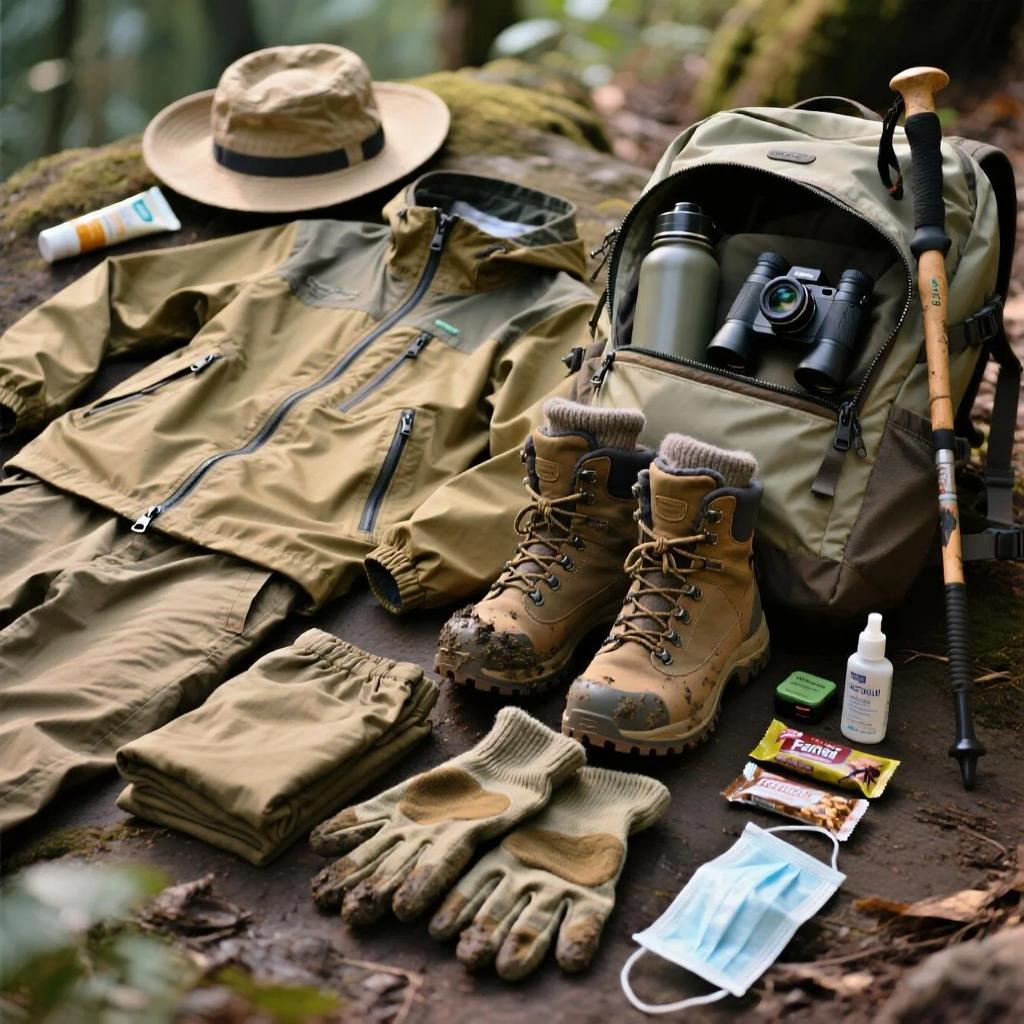
Preparing for an African safari is one of the most exciting parts of the travel experience. Long before the first game drive begins or the first elephant appears on the horizon, travelers start imagining the landscapes, wildlife encounters, sunrise safaris, and unforgettable moments waiting ahead. Yet one question always comes up before departure — what should I pack for a safari?
Packing correctly can completely transform the safari experience. The right clothing, footwear, camera equipment, travel accessories, and personal essentials help travelers stay comfortable during long game drives, changing weather conditions, boat safaris, forest walks, and wildlife encounters across East Africa.
At Chosen Expeditions, many first-time safari travelers worry about overpacking or forgetting important items. Fortunately, safari packing is usually simpler than expected. The goal is not fashion or excessive luggage but comfort, practicality, neutral colors, and adaptability to outdoor conditions.
A safari in Uganda or East Africa often combines several different environments within one trip. Travelers may explore open savannahs in Murchison Falls National Park, tropical rainforests in Bwindi Impenetrable National Park, wetlands filled with birdlife, river cruises along the Nile, and cooler highland regions near mountain gorilla habitats.
Because of this diversity, packing wisely becomes essential.
One of the biggest mistakes travelers make is bringing too many unnecessary clothes. Most safari lodges offer laundry services, and safari life itself tends to feel relaxed and informal. Comfortable, breathable clothing matters far more than heavy suitcases filled with extra outfits.
Safari mornings can be surprisingly cold, especially during sunrise game drives when vehicles leave camp before dawn. However, afternoons often become very warm under the African sun.
Layered clothing works best because temperatures change significantly throughout the day.
The emotional atmosphere of safari travel also shapes packing decisions. Travelers often spend long hours outdoors surrounded by dust, wildlife, sunlight, rivers, forests, and changing weather conditions. Clothing and gear should support the experience rather than become uncomfortable distractions.
Many guests traveling with Chosen Expeditions Reviews later mention that the most valuable items they packed were often simple essentials such as binoculars, comfortable shoes, lightweight jackets, cameras, sunscreen, and insect repellent.
The safari itself quickly becomes more important than material things.
Watching lions emerge from tall grass during sunrise or hearing hippos outside the lodge at night creates moments where comfort, preparation, and practicality matter far more than luxury fashion or unnecessary luggage.
Another important factor is luggage type. Soft-sided duffel bags are usually recommended instead of hard-shell suitcases, especially for small safari vehicles or domestic flights with strict luggage limits.
Travelers combining gorilla trekking with wildlife safaris should also prepare for muddy forest trails, cooler mountain temperatures, and occasional rainfall even during dry seasons.

Clothing Essentials for Safari Travel
Clothing is one of the most important parts of any safari packing list because travelers spend long hours outdoors in changing environments.
Neutral-colored clothing remains the best choice for safari travel. Shades such as khaki, olive green, beige, brown, and light gray blend naturally with the environment while helping avoid attracting insects.
Bright colors are generally discouraged because they can disturb wildlife or attract unnecessary attention from insects like tsetse flies in certain regions.
Dark blue and black clothing may also attract insects more easily in some safari areas.
Comfort matters far more than style during safari travel. Loose-fitting breathable clothing made from lightweight fabrics helps travelers stay cool during warm afternoons while remaining comfortable inside safari vehicles.
Long-sleeved shirts are especially useful because they provide sun protection while also reducing insect exposure during evening hours.
Travelers often underestimate how cold safari mornings can feel.
Early game drives usually begin before sunrise when temperatures may feel chilly, especially in open vehicles moving across the savannah.
A lightweight fleece jacket, windbreaker, or warm layer becomes extremely valuable during these early hours.
As the day warms up, travelers can simply remove layers and remain comfortable throughout the afternoon.
Safari Footwear
Comfortable footwear is essential for safari travel, especially for travelers combining game drives with gorilla trekking, chimpanzee tracking, or nature walks.
Light hiking boots or durable walking shoes work best for most safari conditions.
Travelers visiting rainforest regions such as Bwindi should prepare for muddy trails, slippery terrain, and steep forest paths.
For standard wildlife safaris in places like Murchison Falls, lightweight comfortable walking shoes are usually enough unless nature walks are included.
Sandals or casual shoes are useful for relaxing at lodges after long safari days.
Hats, Sunglasses, and Sun Protection
The African sun can become intense during midday hours, especially during dry seasons.
Wide-brimmed hats help protect the face and neck during game drives and boat cruises.
Polarized sunglasses reduce glare while improving visibility during wildlife viewing and photography.
High-quality sunscreen is absolutely essential even during cloudy weather because travelers spend extended hours outdoors.
Lip balm and moisturizers also help prevent dryness caused by sun exposure and dusty conditions.
Rain Gear and Weather Preparation
Even during dry seasons, occasional rainfall remains possible in many safari destinations across Uganda and East Africa.
Lightweight waterproof jackets or compact rain ponchos provide excellent protection without taking much luggage space.
Travelers visiting rainforest regions should especially prepare for wet conditions because weather can change quickly.
Evening Lodge Clothing
Safari lodges usually maintain relaxed dress codes.
Comfortable casual clothing works perfectly for dinners, campfires, and evening relaxation after game drives.
Heavy formal wear is unnecessary for most safari itineraries.
Many travelers appreciate simple comfortable outfits after long dusty wildlife excursions.
Laundry and Packing Light
Most safari lodges offer affordable laundry services, allowing travelers to pack fewer clothes overall.
Packing lighter creates easier movement between destinations and avoids unnecessary baggage stress during domestic flights or safari transfers.
Soft duffel bags are usually recommended because they fit more easily inside safari vehicles and aircraft luggage compartments.
Emotional Comfort During Safari Travel
Packing correctly contributes not only to physical comfort but also to emotional enjoyment during the safari.
When travelers remain comfortable during long wildlife drives, changing temperatures, or forest treks, they focus fully on the experience itself rather than discomfort or logistical frustrations.
Watching elephants gather beside the Nile at sunset or hearing lions roar across the savannah becomes far more enjoyable when travelers feel prepared, relaxed, and properly equipped.
Visitors preparing personalized Uganda safaris can Plan Your Safari or Request Itinerary through Chosen Expeditions for customized travel advice, packing recommendations, and safari preparation support.
Safari Gear, Photography Equipment, and Travel Essentials

Safari packing list
Packing the right safari gear can dramatically improve the overall travel experience across Murchison Falls National Park and other East African destinations. While clothing keeps travelers comfortable, practical safari equipment helps capture unforgettable wildlife moments, stay organized during long drives, and prepare for changing outdoor conditions.
One of the most important safari items is a good pair of binoculars. Wildlife often appears far across the savannah before vehicles move closer, and binoculars allow travelers to observe animal behavior in much greater detail.
Watching a lion pride resting beneath acacia trees or spotting elephants moving through distant grasslands becomes far more rewarding with quality binoculars.
Birdwatchers especially appreciate binoculars because Uganda protects over 1,000 bird species across forests, wetlands, rivers, and savannah ecosystems.
Many travelers visiting with Chosen Expeditions Reviews later mention that binoculars became one of the most-used safari items throughout the journey.
Camera Equipment for Safari Photography
A safari creates endless photography opportunities, from dramatic wildlife encounters to breathtaking landscapes and emotional travel moments.
Even travelers using smartphones can capture remarkable safari images, but dedicated cameras often provide much better wildlife photography results.
Zoom lenses are especially valuable because animals are not always close to safari vehicles. A moderate telephoto lens allows photographers to capture lions, giraffes, elephants, birds, and other wildlife safely from a distance.
Extra memory cards and spare batteries are essential because safari days often begin before sunrise and continue until evening.
Dust can become a challenge during dry-season game drives, so travelers should pack protective camera bags or cleaning cloths.
Photography on safari becomes emotional rather than simply technical. Capturing a giraffe silhouetted against sunrise or an elephant family walking through golden grasslands creates memories that feel deeply personal.
Many travelers quickly realize they spend less time worrying about perfect photos and more time simply appreciating the moment itself.
Daypacks and Safari Bags
A lightweight backpack or daypack becomes extremely useful during safari travel.
Travelers can easily carry cameras, water bottles, sunscreen, rain jackets, passports, snacks, and small personal items during game drives or boat cruises.
Soft-sided luggage is strongly recommended for East African safaris because domestic flights often have strict baggage limits and safari vehicles have limited storage space.
Hard-shell suitcases may become inconvenient during transfers between lodges, airstrips, and safari camps.
Power Banks and Charging Equipment
Electricity availability varies depending on the lodge location and safari style.
Luxury lodges usually provide reliable charging stations, while smaller camps may operate using solar power or generators with limited charging hours.
Power banks help travelers charge phones, cameras, and small electronics during long travel days.
Universal travel adapters are also important because electrical outlets vary across countries and lodges.
Health and Medical Essentials
Travelers should always carry personal medications, basic first aid supplies, and important health items during safari travel.
Recommended safari essentials often include:
- Insect repellent
- Sunscreen
- Motion sickness medication
- Antihistamines
- Pain relievers
- Rehydration tablets
- Hand sanitizer
- Wet wipes
Malaria prevention medication is also strongly recommended for many safari regions across Uganda and East Africa.
Travel insurance covering safari activities, medical emergencies, and trip interruptions is highly advisable.
Travel Documents and Money
Important travel documents should remain easily accessible throughout the safari.
Travelers should carry:
- Passport copies
- Visa documentation
- Flight information
- Travel insurance details
- Vaccination records if required
- Emergency contact information
Cash remains useful for tipping guides, purchasing crafts, and covering smaller expenses in remote areas.
However, larger lodges and safari companies usually accept major credit cards.
Safari Comfort During Long Drives
Road transfers between Uganda’s national parks can sometimes take several hours depending on destinations and weather conditions.
Comfortable travel items such as neck pillows, refillable water bottles, snacks, headphones, and lightweight blankets help make long drives more relaxing.
Many safari travelers actually enjoy road journeys because they provide opportunities to see villages, local markets, tea plantations, and changing landscapes across Uganda.
Emotional Moments Beyond Photography
Some of the most meaningful safari memories are never fully captured by cameras.
Watching elephants gather silently beside the Nile at sunset or hearing lions roar during the night often creates emotional experiences that feel impossible to photograph completely.
Travelers frequently discover that the true beauty of safari travel lies in being fully present rather than constantly focusing on technology.
The combination of wildlife, landscapes, silence, and unpredictability creates moments that remain vivid long after the trip ends.
Gorilla Trekking Packing Tips and Rainforest Preparation

Safari packing list
Many travelers combining classic wildlife safaris with gorilla trekking quickly realize that rainforest packing differs significantly from standard savannah safari preparation.
Unlike game drives in open landscapes, gorilla trekking inside Bwindi Impenetrable National Park involves hiking through dense rainforest terrain that may become muddy, steep, slippery, and physically demanding.
Proper preparation makes the experience far more comfortable and enjoyable.
Waterproof Clothing and Layers
Rainforest conditions can change rapidly even during dry seasons.
Lightweight waterproof jackets become essential because sudden rainfall may occur without warning.
Long-sleeved shirts and long trousers help protect against insects, thorny vegetation, and stinging plants along forest trails.
Layered clothing remains important because mornings in mountain regions can feel cold while hiking quickly increases body temperature.
Hiking Boots for Gorilla Trekking
Strong waterproof hiking boots provide crucial ankle support and grip during muddy forest treks.
The terrain inside Bwindi can become steep and slippery, especially after rainfall.
Good hiking socks also help reduce discomfort during longer treks through dense vegetation.
Some gorilla groups require only short hikes, while others may involve several hours of walking depending on gorilla movement patterns that day.
Gloves and Walking Sticks
Gardening gloves or lightweight trekking gloves help protect hands from thorny plants while moving through thick forest sections.
Walking sticks are often provided at the park headquarters and greatly assist balance on uneven terrain.
Porters are also available to help carry backpacks and provide assistance during difficult sections of the trek.
Hiring a porter not only helps physically but also supports local communities economically.
Emotional Gorilla Encounters

Safari packing list
The moment travelers finally encounter mountain gorillas often becomes one of the most emotional wildlife experiences of their lives.
After hiking through dense rainforest while hearing distant bird calls and rustling vegetation, guides suddenly signal for silence.
Then, slowly, the gorillas appear.
A massive silverback may sit quietly nearby while younger gorillas play beneath the trees or mothers gently care for infants within the forest vegetation.
The experience feels deeply intimate and surprisingly peaceful.
Many travelers become emotional during these encounters because mountain gorillas display remarkably human-like expressions, social bonds, and behaviors.
Photography becomes secondary as visitors simply absorb the atmosphere surrounding them.
Suggested Uganda Safari and Gorilla Trekking Itinerary
Day 1: Arrival in Entebbe.
Day 2: Transfer to Murchison Falls with rhino tracking.
Day 3: Morning game drive and Nile boat safari.
Day 4: Transfer to Kibale Forest.
Day 5: Chimpanzee trekking and Bigodi wetland experience.
Day 6: Transfer to Queen Elizabeth National Park.
Day 7: Safari game drive and Kazinga Channel boat cruise.
Day 8: Transfer to Bwindi Impenetrable Forest.
Day 9: Gorilla trekking adventure.
Day 10: Return to Entebbe for departure.
This itinerary combines savannah wildlife, river safaris, chimpanzees, and gorilla trekking into one complete Uganda safari experience.
Travelers preparing for customized wildlife and gorilla trekking adventures can Plan Your Safari or Request Itinerary through Chosen Expeditions for personalized packing advice and safari planning assistance.
Practical Safari Packing Advice, Travel Logistics, and What Most Travelers Forget

Safari packing list
Packing for a safari is not only about clothing and photography equipment. Successful safari preparation also involves understanding travel logistics, weather conditions, luggage restrictions, health preparation, and the realities of moving through remote wildlife destinations across East Africa.
Many travelers visiting Uganda for the first time imagine needing large amounts of gear or complicated equipment. In reality, safari travel becomes far easier and more enjoyable when luggage remains simple, organized, and practical.
At Chosen Expeditions, experienced safari guides often encourage travelers to focus on essentials rather than overpacking unnecessary items.
One of the most common mistakes travelers make is bringing heavy luggage filled with clothing they never wear. Safari life quickly becomes relaxed, informal, and focused on comfort rather than appearance.
Most travelers repeatedly use the same comfortable safari outfits throughout the journey while relying on lodge laundry services when necessary.
Luggage Restrictions on Domestic Flights
Travelers planning fly-in safaris across Uganda or East Africa should pay close attention to luggage limits.
Small safari aircraft operating between destinations such as Entebbe, Murchison Falls, Bwindi, and other remote airstrips usually allow limited baggage weight.
Soft-sided duffel bags are strongly recommended because they fit easily inside smaller aircraft compartments and safari vehicles.
Hard-shell suitcases may not be accepted on some domestic safari flights.
Travelers carrying photography equipment should also distribute weight carefully between checked luggage and carry-on bags.
Electronics and Internet Access
Many safari lodges provide electricity, charging stations, and Wi-Fi access, although internet speeds in remote wilderness areas may be slower than travelers expect.
Some luxury lodges offer excellent connectivity, while smaller camps prioritize natural experiences over constant digital access.
Interestingly, many travelers eventually appreciate disconnecting from phones and social media while immersed in wildlife environments.
The sounds of hippos outside a lodge at night or sunrise across the savannah often become far more memorable than checking notifications.
Water Bottles and Sustainability
Reusable water bottles are highly recommended for safari travel.
Most safari operators and lodges provide filtered drinking water stations that allow travelers to refill bottles throughout the journey while reducing plastic waste.
Responsible tourism has become increasingly important across East Africa, especially inside fragile wildlife ecosystems.
Travelers choosing sustainable safari practices help protect the natural beauty of Uganda’s parks for future generations.
Snacks and Comfort Food
Long game drives and road transfers can sometimes leave travelers hungry between meals.
Small snacks such as protein bars, nuts, dried fruit, or biscuits help maintain energy during travel days.
However, many safari lodges provide excellent meals, packed breakfasts, picnic lunches, and refreshments during excursions.
Cultural Respect and Local Communities
Travelers passing through villages and local communities during safari journeys should dress respectfully, especially outside wildlife areas.
Simple modest clothing is usually appreciated when visiting towns, markets, schools, or cultural sites.
Many Uganda safaris also include opportunities to meet local communities, traditional dancers, craft groups, or village projects connected to conservation tourism.
These experiences often become surprisingly meaningful parts of the journey.
Weather Expectations Across Uganda
Uganda’s climate remains relatively moderate throughout the year, although weather varies depending on altitude and region.
Savannah parks such as Murchison Falls National Park can become warm during afternoons, while mountain areas near Bwindi may feel cold and rainy even during dry seasons.
Travelers should always prepare for both sunshine and occasional rain regardless of season.
Safari Safety and Comfort
Safari travel in Uganda is generally safe when organized through professional operators such as Chosen Expeditions.
Experienced guides handle wildlife safety, transportation logistics, park regulations, and local coordination throughout the journey.
Travelers should always listen carefully to guide instructions during game drives, boat safaris, and gorilla trekking activities.
Wild animals remain unpredictable, and respectful behavior inside protected areas is extremely important.
Emotional Simplicity of Safari Travel
One of the unexpected joys of safari travel is how simple life becomes during the journey.
Days revolve around sunrise, wildlife movement, changing weather, rivers, forests, and conversations around campfires rather than busy schedules or digital distractions.
Many travelers return home realizing they needed far fewer possessions than expected.
The moments that matter most are rarely material things.
Instead, travelers remember the sound of elephants moving through bushes beside the lodge, the silence before a lion sighting, or the feeling of standing beside the Nile while the waterfall thundered ahead.

Frequently Asked Questions About Safari Packing
What colors should I wear on safari?
Neutral colors such as khaki, beige, olive green, gray, and brown work best because they blend naturally with the environment and attract fewer insects.
Do I need hiking boots for safari?
Comfortable walking shoes are usually enough for game drives, but waterproof hiking boots are strongly recommended for gorilla trekking and rainforest hikes.
Can I wear shorts on safari?
Yes, although long trousers are often more comfortable for sun protection, insect prevention, and cooler mornings.
What camera lens is best for safari photography?
A zoom or telephoto lens works best because wildlife is often viewed from a distance during game drives.
How much luggage should I bring?
Packing light is highly recommended. Soft-sided duffel bags are easier to manage during domestic flights and safari transfers.
Is laundry available at safari lodges?
Yes. Most mid-range and luxury safari lodges offer laundry services for guests.
Should I bring insect repellent?
Yes. Insect repellent is essential for safari travel, especially during evenings and rainforest activities.
What should I pack for gorilla trekking?
Travelers should pack waterproof hiking boots, rain jackets, long trousers, gloves, insect repellent, and layered clothing for changing mountain weather conditions.
Complete Safari Packing Checklist and Final Travel Inspiration

Safari packing list
As the safari departure date approaches, many travelers feel both excited and nervous about preparation. Questions about weather, wildlife, clothing, luggage, photography, and travel logistics become increasingly common. Yet once the safari begins, most travelers quickly realize the experience is far more about emotion, nature, and adventure than material possessions.
A well-prepared safari packing list simply allows travelers to enjoy the journey comfortably without distractions.
Whether exploring the savannah landscapes of Murchison Falls National Park, trekking gorillas in Bwindi Impenetrable National Park, or cruising along the Nile River during sunset, thoughtful preparation helps travelers focus fully on the wildlife and atmosphere surrounding them.
At Chosen Expeditions, safari journeys are designed to feel smooth, comfortable, and deeply memorable from arrival until departure.
Complete Safari Packing Checklist
The following safari essentials work well for most Uganda and East Africa itineraries:
Clothing Essentials
- Lightweight long-sleeved shirts
- Neutral-colored t-shirts
- Comfortable safari trousers
- Fleece jacket or warm layer
- Waterproof rain jacket
- Comfortable walking shoes
- Hiking boots for gorilla trekking
- Comfortable evening clothing
- Hat or cap for sun protection
- Sunglasses
- Lightweight socks
- Sleepwear
Safari Equipment
- Binoculars
- Camera and zoom lens
- Spare batteries
- Extra memory cards
- Power bank
- Flashlight or headlamp
- Universal travel adapter
- Daypack or safari backpack
- Reusable water bottle
Health and Safety Items
- Sunscreen
- Insect repellent
- Personal medications
- Hand sanitizer
- Wet wipes
- Basic first aid kit
- Malaria prevention medication
- Lip balm
- Travel insurance documents
Important Documents
- Passport
- Visa documents
- Flight tickets
- Emergency contacts
- Vaccination records if needed
- Travel insurance details

Safari Timing and Seasonal Packing
Travel seasons also affect packing decisions.
Dry seasons between June and September and December through February usually bring warm sunny days and cooler mornings.
Rainy seasons between March and May or October and November require better waterproof preparation because sudden showers become more common.
Fortunately, Uganda’s climate remains moderate year-round compared to many hotter African safari destinations.
Suggested 10-Day Uganda Safari Itinerary
Day 1: Arrival in Entebbe and overnight stay.
Day 2: Transfer to Murchison Falls with rhino tracking at Ziwa Rhino Sanctuary.
Day 3: Sunrise game drive and Nile boat safari to the bottom of the falls.
Day 4: Delta excursion and transfer to Kibale Forest.
Day 5: Chimpanzee trekking and Bigodi wetland walk.
Day 6: Transfer to Queen Elizabeth National Park with evening game drive.
Day 7: Morning safari and Kazinga Channel boat cruise.
Day 8: Scenic drive to Bwindi Impenetrable Forest.
Day 9: Gorilla trekking experience and cultural visit.
Day 10: Return to Entebbe for departure.
This itinerary combines Uganda’s best wildlife experiences while allowing travelers to use a balanced and practical safari packing list throughout the journey.
Wildlife Encounters That Travelers Never Forget
The real beauty of safari travel lies in moments no packing list can fully prepare travelers for emotionally.
A lion suddenly appearing beside the safari track at sunrise.
Elephants crossing the road silently in front of the vehicle.
The sound of hippos outside the lodge after dark.
A fish eagle soaring above the Nile during a boat cruise.
The first quiet eye contact with a mountain gorilla deep inside the rainforest.
These moments create emotional memories that remain vivid for years because they reconnect travelers with nature in ways modern life rarely allows.
Many guests traveling with Chosen Expeditions Reviews later describe Uganda not simply as a destination but as an experience that changed how they viewed wildlife, travel, and the natural world.
Final Safari Travel Advice
Travelers should avoid overthinking safari preparation.
Comfort, practicality, flexibility, and curiosity matter far more than expensive gear or excessive luggage.
Packing light, staying adaptable, and embracing the unpredictability of nature often create the most rewarding safari experiences.
Wildlife does not follow schedules, and every safari unfolds differently depending on weather, animal movement, landscapes, and pure chance.
That unpredictability is exactly what makes safari travel feel real and unforgettable.
Why Uganda Is One of Africa’s Best Safari Destinations
Uganda offers one of Africa’s most diverse safari experiences within a single country.
Travelers can experience:
- Big game safaris
- Nile River cruises
- Gorilla trekking
- Chimpanzee tracking
- Birdwatching
- Waterfalls
- Rainforests
- Mountain scenery
- Cultural experiences
All within one carefully designed journey.
Compared to many larger safari circuits, Uganda also feels quieter, more authentic, and less crowded, allowing travelers to connect more personally with wildlife and landscapes.
Conclusion
Packing correctly for a safari creates a far more comfortable, enjoyable, and stress-free travel experience across Uganda and East Africa.
The best safari packing list focuses on practicality, lightweight clothing, neutral colors, comfortable footwear, weather preparation, photography essentials, and personal comfort during long wildlife excursions.
Whether exploring the savannah plains of Murchison Falls, trekking mountain gorillas in Bwindi, cruising along the Nile River, or tracking chimpanzees through tropical forests, travelers benefit most from staying organized, flexible, and prepared for changing conditions.
Fortunately, safari travel does not require excessive luggage or expensive gear. The most valuable safari essentials are often simple items such as comfortable clothing, binoculars, cameras, hiking shoes, sunscreen, and a sense of adventure.
Beyond physical preparation, safari travel also becomes an emotional experience that reconnects travelers with nature in powerful ways.
Watching giraffes beneath golden sunrise skies, hearing hippos outside the lodge at night, or standing face-to-face with mountain gorillas creates memories that remain vivid long after the journey ends.
At Chosen Expeditions, every safari is carefully designed to help travelers experience Uganda comfortably, safely, and meaningfully while enjoying unforgettable wildlife encounters throughout East Africa.
Travelers ready to begin planning their safari adventure can Plan Your Safari or Request Itinerary for customized itineraries, packing support, and expert safari preparation guidance.
Final Conclusion
Packing for a safari is ultimately about preparing for adventure rather than perfection.
The right safari packing list helps travelers stay comfortable across changing environments while fully enjoying the emotional beauty of East Africa’s wildlife experiences.
From the savannah plains of Murchison Falls to the mist-covered forests of Bwindi, Uganda offers unforgettable moments that go far beyond ordinary travel.
Watching elephants at sunset, hearing lions roar across the plains, cruising beside hippos along the Nile, or standing quietly near mountain gorillas becomes part of a journey travelers carry with them long after returning home.
At Chosen Expeditions, every safari is carefully customized around comfort, wildlife interests, travel style, and unforgettable experiences across Uganda and East Africa.
Travelers ready to begin their safari adventure can Plan Your Safari or Request Itinerary for personalized travel planning, expert guidance, and unforgettable wildlife experiences tailored to their dream African safari contact us.